As a supplier of wooden feeders, I often receive questions from customers about the lifespan of these products. Understanding how long wooden feeders last is crucial for beekeepers looking to make informed decisions about their equipment. In this blog, we'll delve into the factors that affect the longevity of wooden feeders and provide some insights to help you get the most out of your investment.
Factors Affecting the Lifespan of Wooden Feeders
1. Wood Quality
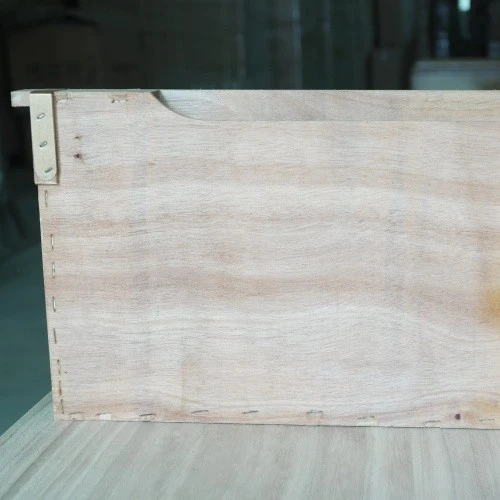
The type and quality of wood used in the feeder construction play a significant role in its durability. Hardwoods like oak, maple, and teak are known for their strength and resistance to decay. These woods have natural oils and dense grain structures that make them less susceptible to rot, insect damage, and warping. On the other hand, softer woods such as pine may be more affordable but are generally less durable and may require more frequent replacement.
When choosing a wooden feeder, opt for products made from high - quality hardwoods. Our Wooden Feeder is crafted from premium oak, ensuring a long - lasting and reliable product for your beekeeping needs.
2. Environmental Conditions
The environment in which the wooden feeder is placed has a major impact on its lifespan. Feeders exposed to harsh weather conditions, such as extreme heat, cold, humidity, or heavy rainfall, are more likely to deteriorate quickly. For example, excessive moisture can cause the wood to swell, warp, and eventually rot. In regions with high humidity or frequent rain, it's essential to provide proper shelter for the feeder.
You can use a Wooden Insulation Board to protect the wooden feeder from the elements. This board not only provides insulation but also shields the feeder from direct sunlight and rain, extending its lifespan.
3. Maintenance and Care
Regular maintenance is key to ensuring the longevity of wooden feeders. Simple tasks like cleaning the feeder after each use, checking for signs of damage, and applying a protective finish can significantly extend its lifespan. After removing the feeder from the hive, clean it thoroughly with warm, soapy water to remove any honey, pollen, or debris.
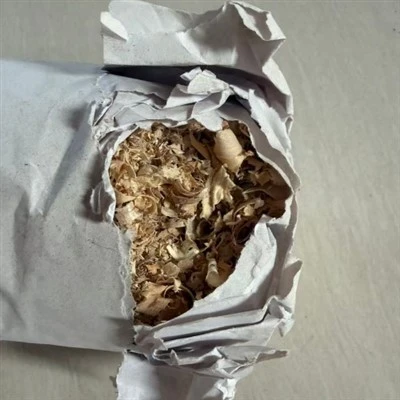
Applying a food - grade wood sealant or oil can also help protect the wood from moisture and insect damage. This creates a barrier that prevents water from penetrating the wood and keeps pests at bay. Our Wooden Burlap Sack can be used to store the feeder and protect it when not in use, adding an extra layer of care.
4. Usage Frequency
The frequency of use can also affect the lifespan of a wooden feeder. Feeders that are used more often are subject to more wear and tear. For example, if you are using the feeder multiple times a week during the beekeeping season, it will likely experience more stress compared to a feeder used only occasionally.
However, with proper maintenance, even frequently used feeders can last a long time. Make sure to inspect the feeder regularly for any signs of damage and address them promptly.
Average Lifespan of Wooden Feeders
Under normal conditions and with proper maintenance, a high - quality wooden feeder can last anywhere from 3 to 7 years. If the feeder is made from a durable hardwood, well - protected from the elements, and properly maintained, it can reach the upper end of this range.
On the other hand, if the wood quality is poor, the feeder is exposed to harsh environments, and little to no maintenance is performed, it may only last 1 to 2 years.
Extending the Lifespan of Your Wooden Feeder
1. Regular Cleaning
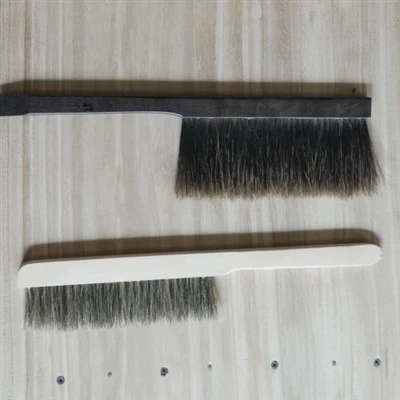
As mentioned earlier, cleaning the feeder after each use is essential. Use a Wooden Bee Brush to gently remove any debris from the feeder. This not only keeps the feeder clean but also helps prevent the growth of mold and bacteria.
2. Inspection
Regularly inspect the feeder for signs of damage such as cracks, splinters, or loose parts. Address any issues immediately to prevent further damage. If you notice a small crack, you can use a wood glue or filler to repair it.
3. Storage
When not in use, store the feeder in a dry and cool place. You can use a Wooden Burlap Sack to keep it protected from dust, moisture, and pests.
The Role of Accessories in Feeder Longevity
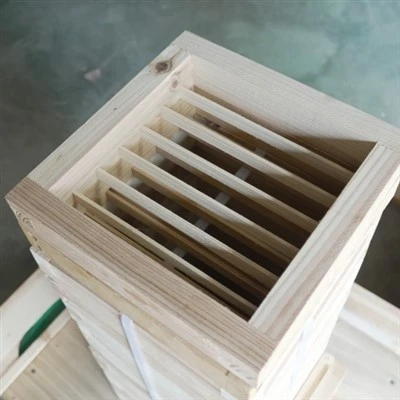
Using the right accessories can also contribute to the longevity of your wooden feeder. A Wooden Honeycomb Foundation can help keep the bees organized in the feeder and reduce the amount of stress on the feeder structure.
The right insulation, like our Wooden Insulation Board, can protect the feeder from temperature fluctuations and moisture, which are two of the main factors that can cause damage to the wood.
Conclusion
In conclusion, the lifespan of a wooden feeder depends on several factors, including wood quality, environmental conditions, maintenance, and usage frequency. By choosing a high - quality feeder, providing proper care and maintenance, and using the right accessories, you can significantly extend its lifespan.
At our company, we are committed to providing top - notch wooden feeders and related accessories to meet the needs of beekeepers. If you are interested in purchasing our wooden feeders or any of our other beekeeping products, we invite you to contact us for a detailed discussion about your requirements. We can offer professional advice and help you find the best solutions for your beekeeping operation.