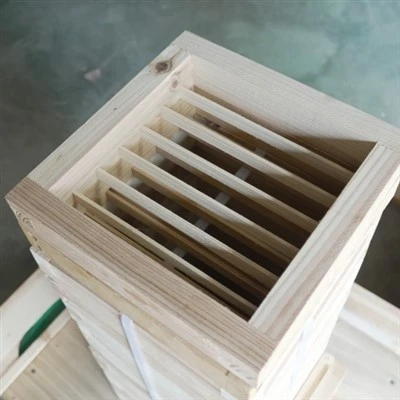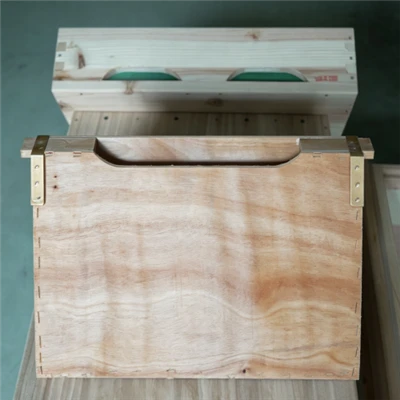
In the realm of beekeeping, the wooden queen excluder is a crucial tool. As a supplier of Wooden Queen Excluder, I'm often asked a variety of questions about this product. One query that comes up frequently is, "Can a wooden queen excluder be painted?" In this blog post, I'll explore this question from multiple aspects, taking into account scientific evidence and practical beekeeping experience.
The Function of a Wooden Queen Excluder
First, let's understand the role of a wooden queen excluder in a beehive. A queen excluder is designed to restrict the movement of the queen bee while allowing worker bees to pass through freely. The queen, with her larger abdomen, is unable to fit through the narrow gaps in the excluder. This device is typically placed between the brood chamber and the honey supers. By preventing the queen from laying eggs in the honey supers, beekeepers can ensure that the honey harvested is not contaminated with brood, resulting in a cleaner and more market - able product.
Reasons for Considering Painting a Wooden Queen Excluder
There are several reasons why beekeepers might want to paint a wooden queen excluder.
Aesthetic Appeal: Painting can enhance the appearance of the excluder. In a well - maintained apiary, a painted wooden queen excluder can blend in more aesthetically with the overall setup. It can also give the beekeeper a sense of pride in their equipment, similar to how a well - painted tool looks more inviting in a workshop.
Preservation: Wood is a natural material that can be susceptible to decay, moisture damage, and insect infestations. A coat of paint can act as a protective barrier, preventing water from seeping into the wood and reducing the risk of rot. This can extend the lifespan of the wooden queen excluder, making it a more cost - effective investment in the long run.
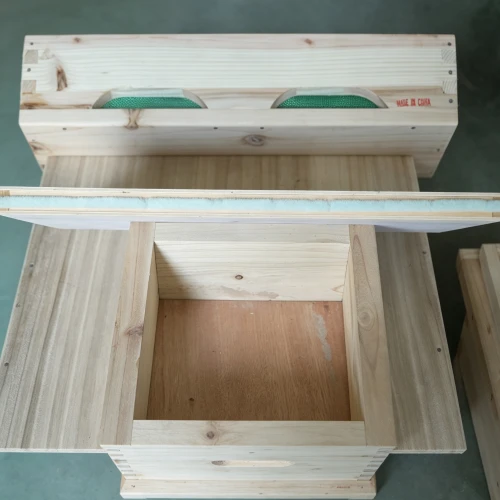

Potential Concerns of Painting a Wooden Queen Excluder
However, there are also some valid concerns associated with painting a wooden queen excluder.
Chemical Safety: The paint used on the excluder must be non - toxic to bees. Many commercial paints contain chemicals such as lead, formaldehyde, and volatile organic compounds (VOCs) that can be harmful or even fatal to bees. These substances can be ingested by the bees or absorbed through their exoskeletons, leading to health problems and potentially affecting the entire hive.
Impact on Bee Behavior: Bees rely on their sense of smell and touch to navigate within the hive. A strong - smelling paint could disrupt their normal behavior patterns. They may be less likely to pass through the excluder, which defeats the purpose of having it in the first place. Additionally, the texture of the painted surface might be different from the natural wood, causing discomfort or confusion for the bees.
Choosing the Right Paint
If you decide to paint your wooden queen excluder, it's crucial to choose the right type of paint.
Natural and Non - Toxic Paints: Look for paints that are specifically labeled as non - toxic and safe for use around bees. Some natural paints made from plant - based ingredients, such as linseed oil - based paints, are good options. These paints are less likely to release harmful chemicals into the hive environment.
Low - Odor Paints: Since bees are sensitive to strong odors, select a paint with a low or mild odor. Avoid paints with a strong chemical smell, as this can repel the bees or interfere with their communication systems.
Painting Process
Before you start painting, it's important to prepare the wooden queen excluder properly.
Cleaning: Thoroughly clean the excluder to remove any dirt, debris, or honey residues. This will ensure that the paint adheres well to the surface. You can use a mild soap solution and a soft brush to clean the excluder, then rinse it thoroughly and let it dry completely.
Testing: Before applying the paint to the entire excluder, do a small test on a inconspicuous area. Observe the bees' reaction to the painted area over a period of a few days. If there are no signs of adverse effects, such as bees avoiding the area or abnormal behavior, you can proceed with painting the entire excluder.
Application: Apply the paint in thin, even coats. Multiple thin coats are better than one thick coat, as they are more likely to dry evenly and adhere properly. Make sure to avoid getting paint into the gaps of the excluder, as this could change the size of the openings and affect its functionality.
Alternatives to Painting
If you're still unsure about painting your wooden queen excluder, there are alternative ways to protect and enhance the wood.
Wood Treatments: There are natural wood treatments available, such as beeswax or food - grade mineral oil. These substances can be applied to the wood to provide a protective layer without the risks associated with painting. Beeswax, for example, is a natural substance that bees are familiar with and can be used to condition the wood and make it more resistant to moisture.
Other Wooden Beehive Accessories
In addition to the wooden queen excluder, there are other wooden beehive accessories that play important roles in beekeeping. Wooden Honeycomb Foundation provides a base for the bees to build their honeycombs. It is typically made of thin sheets of wood with pre - formed cells, which can save the bees' energy in building the combs from scratch.
Wooden Feeder is another essential accessory. During times when nectar is scarce, beekeepers can use wooden feeders to supply sugar syrup to the bees. The wooden construction provides insulation and a natural feel for the bees.
Wooden Bee Brush is used by beekeepers to gently remove bees from frames and other hive components. Its wooden handle offers a comfortable grip, and the soft bristles are less likely to harm the bees.
Wooden Insulation Board helps to regulate the temperature inside the hive, especially during cold winters. It can keep the bees warm and reduce the energy they need to expend to maintain a suitable temperature.
Conclusion
In conclusion, it is possible to paint a wooden queen excluder, but it requires careful consideration. The safety of the bees should always be the top priority. By choosing the right paint and following the proper painting process, you can potentially enhance the aesthetic appeal and durability of the excluder. However, if you're unsure, alternative methods like natural wood treatments can also provide protection for the wood.
As a supplier of high - quality Wooden Queen Excluder and other wooden beehive accessories, I'm committed to providing beekeepers with the information and products they need. If you have any questions about our products or the painting process of a wooden queen excluder, I encourage you to reach out for a procurement discussion.