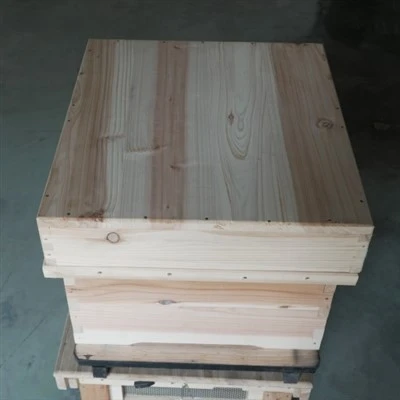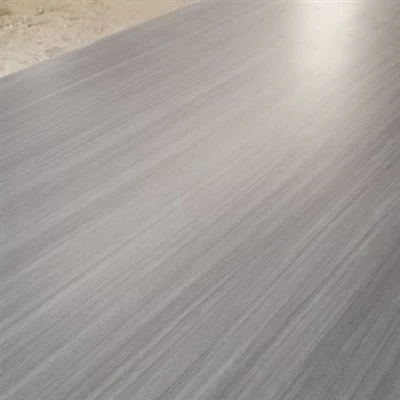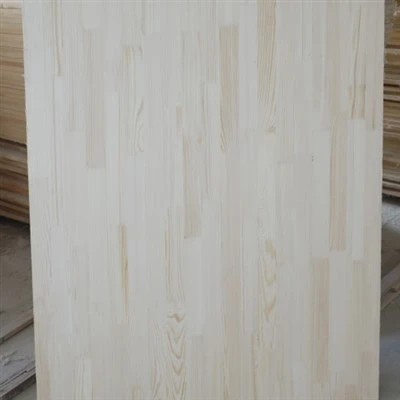
Hey everyone, I'm Jake, and for the last six years, I've been running a small wooden cover plate supply business-you know, the kind that's used for everything from custom memorial pieces to simple, sturdy box lids. If you've ever wondered "Can wooden cover plates be engraved?" you're not alone. I get at least five questions a week about this, mostly from customers who want to add names, dates, or small designs to their projects. Let me break this down like I would over a cup of coffee-no fancy jargon, just real stuff I've learned from working with wood every single day.
First off, let's cut to the chase: Yes, wooden cover plates absolutely can be engraved. But it's not as simple as grabbing any old piece of wood and scribbling on it. The type of wood, the engraving method, and even what you're using the cover plate for matter a ton. Let's start with the basics of why engraving works on wood in the first place. Wood is a porous, organic material-think of it like a sponge with grain, not a smooth, flat plastic that'll just scrape off. When you engrave, you're removing the top layer of the wood, either by cutting it, burning it, or sanding it down, which leaves a permanent mark. That's way better than stickers or paint, right? No peeling, no fading, and it feels solid to the touch.
Now, here's what I tell all my customers when they ask about engraving their wooden cover plates: not all woods are created equal. I source my wood from sustainable mills, mostly softwoods like pine and hardwoods like maple, cherry, and oak-and each engraves differently. Pine is super easy to work with for beginners; it's soft, so a simple rotary tool or even a good old wood-burning pen will glide right over it. The grain is pretty fine, so your lines come out sharp, which is great if you want small text or detailed designs. Maple is a bit harder, but it's dense and doesn't have wild grain patterns, so engraving comes out super clean-no blurry lines from uneven wood texture. Cherry's nice because it has a warm, reddish hue that makes engraving stand out even more without needing stain, and oak is tough as nails-perfect for cover plates that'll get heavy use, like for a timber cremation box or a custom coffin accessory.
Wait, speaking of coffin accessories-you've probably seen our wooden cover plate line. We make them in all sizes, from tiny 4x6 inch ones for memorial tablets to larger 12x18 inch ones for full-size cremation caskets. Most of our customers for these use engraving to add names, birth and death dates, or a small symbol like a cross or a tree. A lot of people don't realize that engraving on wood is also used for things like our wooden seven-star board-that traditional piece used in some cultural funeral practices, where the stars are engraved to carry spiritual meaning. It's cool to see how engraving isn't just decorative, it's meaningful for so many people.
Now, let's talk about the actual engraving methods because that's where a lot of mistakes happen. If you're a hobbyist doing a small project for home, a wood-burning pen is cheap and easy to use, but it takes practice-too much heat and you'll burn through the wood or make the edges fuzzy. For more precise work, a rotary tool like a Dremel with a small engraving bit works great; you can adjust the depth so you don't go too deep (which would make the mark look messy) or too shallow (which will wear off over time).
But if you're ordering a custom engraved wooden cover plate from a supplier like me, most of us use CNC engraving. That's computer-controlled, so you upload your design, and it cuts exactly what you want-no hand-eye coordination needed, and it's super consistent, even for 50 plates of the same memorial tablet. We used to do a lot of hand engraving back when I first started, but CNC is a game-changer for bulk orders. It's faster, more accurate, and we can do way more detailed stuff, like tiny script for a name or intricate patterns.
Here's a pro tip I learned the hard way: finish the wood before you engrave it, or after. Wait, no-actually, do it after. If you stain or seal the wood first, the finish will block the engraving bit, and you'll get messy, uneven lines. Engrave it first, then apply a clear sealant like polyurethane or beeswax. That way, the engraved grooves are still there, and the rest of the wood is protected. For memorial pieces, we use a matte sealant so the engraving doesn't look shiny, which keeps the respectful, timeless look people want for a wooden memorial tablet.
Now, what about if you're worried about durability? Like, will an engraved wooden cover plate hold up outside? If you use the right sealant, absolutely. We've had customers put engraved cover plates on outdoor garden boxes, and the mark has stayed crisp for three years without fading. If it's going to be in a humid or wet area, use an exterior-grade sealant, not the indoor stuff. For our timber cremation box, we use a food-safe sealant for smaller boxes that might be displayed in a home, and a heavy-duty sealant for the ones that will be stored in a columbarium.
I also get a lot of questions about what kind of designs work best. Keep it simple if it's for a small cover plate-too many small details will get lost when you engrave. Names and dates are a no-brainer, but people also do symbols, like a favorite animal, a quote, or even a hand-drawn doodle if they upload it as a digital file. Last month, a customer sent me a drawing of his late dog, and we engraved it on a small wooden cover plate that went on a cremation box. It was so special-he cried when he saw the proof, and that's why I do this job.
Wait, let's talk about limitations, because I don't want to lead anyone on. Engraving is permanent, but it's not indestructible. If you scratch the wood really hard, you could wear down the mark. But that's true for any engraving, right? Metal engraving can scratch too. Also, if you use a really soft wood, like balsa, the engraving might be more shallow, so it's not as visible. That's why we only use quality woods for our cover plates-no cheap, warped stuff that'll mess up the engraving.
Another thing I've noticed: people confuse engraving with carving, but they're different. Engraving is shallow cuts, usually less than 1/16 of an inch deep, while carving is deeper, like when you make a sculpture. For cover plates, engraving is the way to go because it's subtle, not overwhelming. If you carve too deep, it looks clunky and can catch on things. Engraved lines just sit there, quiet and meaningful.
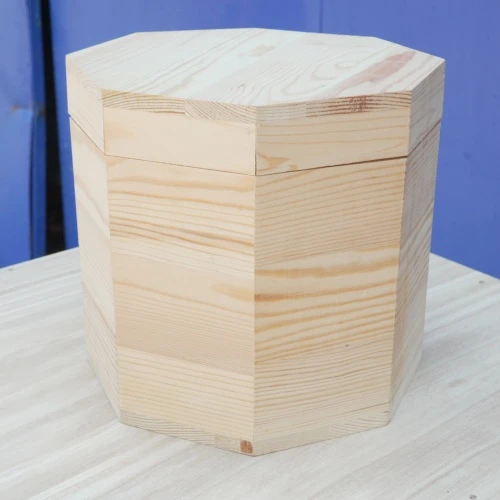

Let me throw in a quick story to make this real. A couple years ago, a woman came to me wanting a custom wooden cover plate for her husband's cremation box. She was a teacher, so she wanted his favorite quote: "A teacher affects eternity; he can never tell where his influence stops." We engraved that in a nice, serif font on a solid maple plate, and she later told me her students came up to her and said they saw the quote when they visited her home. That's the power of engraving on wood-it's not just a mark, it's a memory.
Now, if you're thinking about getting an engraved wooden cover plate, whether it's for a personal project or a special order from a supplier like us, here are my quick do's and don'ts: Do use quality wood (ask your supplier what type it is-avoid cheap particle board, it doesn't engrave well). Do keep designs simple for small spaces. Do get a digital proof before finalizing the order-you want to make sure the text is right and the lines are sharp. Don't rush the engraving process, especially if you're doing it by hand. Don't skip the sealant if the plate is going to be used often or outside.
Speaking of our products, we have a whole range of wooden cover plates, solid wood chips for scattering, memorial tablets, seven-star boards, and timber cremation boxes-all of which can be engraved. We work with both individual customers and funeral homes, so if you need something custom, we can adjust size, wood type, engraving style, everything. No order is too small or too big.
I know this topic might feel a little heavy for some, but at the end of the day, wooden cover plates are all about preserving memories. Whether it's a pet, a family member, or a special box you're storing something meaningful, engraving makes that piece personal. You're not just buying a wooden plate-you're adding a story that'll last for years.
If you're ready to talk about your custom engraved wooden cover plate, or if you have more questions about wood types, engraving methods, or our other products like wooden memorial tablets or timber cremation boxes, reach out to our team. We're here to help make sure your piece is exactly what you want. Don't be shy-we've worked with hundreds of customers, and we know how tricky it can be to put a memory into a small, physical item. We're happy to walk you through every step.