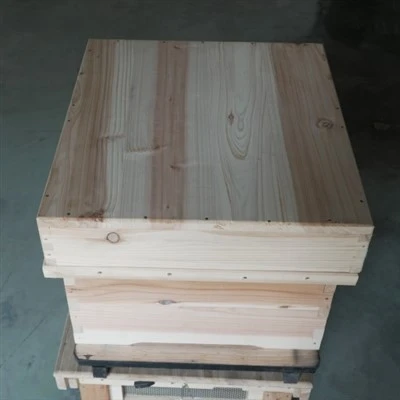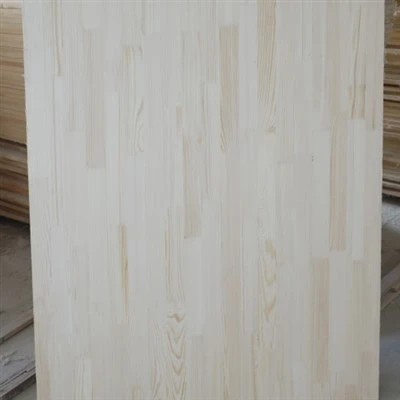
If you're a beekeeper-whether just starting out with a few hives or managing a thriving apiary with dozens of colonies-you've likely spent hours poring over hive design, material durability, and the subtle variables that make a colony thrive. One detail that often flies under the radar, though it carries outsized impact, is the weight of your pine wood beehive. As a supplier focused on high-quality, purpose-built wooden hives, I've watched beekeepers fixate on everything from paint color to entrance size, but weight? That's a metric that bridges practical, biological, and even logistical needs. Let's break down why the number on your scale isn't just a number-it's a window into your hive's health, protection, and long-term success.
First, let's ground this in the material itself: pine is a staple for beehives for good reason. It's lightweight enough to move when necessary, but dense and sturdy enough to hold up against the elements-when processed correctly. The weight of a pine beehive isn't arbitrary; it's shaped by things like the thickness of the wood, the number of layers (or boxes) you opt for, and whether it's treated to resist rot and pests. For new beekeepers, this can feel confusing. You might assume a heavier hive is inherently better, or that a light one is easier to haul. But the significance of weight plays out across three core areas: hive structure and stability, insulation for colony health, and even the day-to-day work of managing your bees.
Start with stability, a make-or-break factor for hives in areas with strong winds, sudden storms, or curious wildlife. A pine beehive that's too light-say, an unprocessed, thin-slab hive weighing under 30 pounds for a single deep box-can tip over during a gust, spilling comb and leaving your colony vulnerable to predators or exposure. I've heard from beekeepers in the Great Plains, where spring winds regularly hit 40+ mph, that lightweight hives often end up overturned unless weighted down with cinder blocks. On the flip side, a properly weighted pine hive-built with ¾-inch thick cedar-fused pine (wait, hold on, cedar has its own benefits, but our pine hives are engineered to balance density) to a single deep box that clocks in at 40–45 pounds empty-stays anchored. That's not a random number: the weight comes from the density of the kiln-dried pine and the tight, overlapping joints we use during assembly, which keeps the hive box from shifting even in high winds. For beekeepers looking for a turnkey solution, our Assembled Bee Hive is built to this exact weight specification, eliminating the guesswork of measuring and fitting parts yourself (check it out here: Assembled Bee Hive). This stability isn't just about convenience: a tipped hive means broken comb, lost brood, and a colony that's disoriented for weeks-all avoidable with a well-weighted structure.
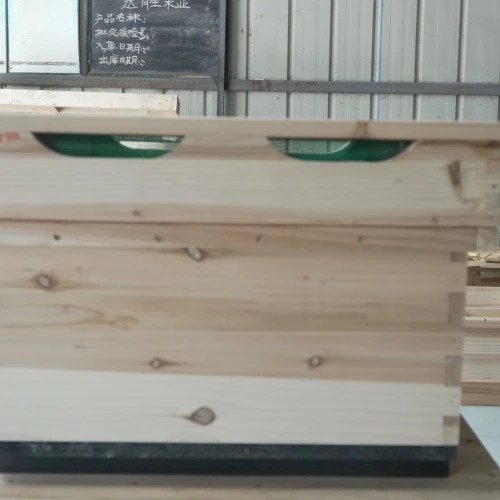

Next, insulation. Bees are master regulators of their internal hive temperature, working to keep the brood nest at a steady 92–95 degrees Fahrenheit year-round. The wood of the hive is their primary insulation layer, and its weight is a direct reflection of its thermal performance. Pine, when kiln-dried to a consistent moisture content, has natural insulating properties, but the thickness of the wood (and thus the empty weight of the hive) amplifies that. A thin, light pine hive-like a flimsy store-bought model at 25 pounds for a deep box-loses heat rapidly in winter and overheats in summer. Bees have to burn through stored honey just to keep their brood nest warm, which cuts into their winter food reserves and can lead to colony collapse. A properly weighted pine hive, built with thicker walls that add 15–20 pounds to the empty box, retains heat far better. That means your bees use less honey for temperature regulation, leaving more to feed the colony through cold snaps. In warmer climates, the extra density also slows heat absorption, so the hive doesn't turn into a swelter box that stresses foragers. If you're operating an apiary in varied climates, our Apiculture Bee Hive line is engineered to adjust-its modular layers mean you can tweak weight as the seasons change, adding a second deep box in spring and removing excess super weight in late fall (learn more here: Apiculture Bee Hive). This balance of weight and insulation is one of the biggest overlooked wins for colony health.
But weight isn't just about the empty hive-it's the total weight of the hive when full of bees, honey, and brood that matters most for management. A healthy full hive can weigh between 80–100 pounds for a single deep box, and up to 150+ pounds when stacked with supers of honey. Handling that weight is part of beekeeping, but a hive that's too light for its size is a red flag. If your full hive weighs less than 80 pounds, that almost always means one of two things: either the colony is small (so fewer bees to forage, lower honey yields) or the hive itself was poorly constructed, with gaps that let heat and moisture escape, making bees leave earlier or store less honey. As a supplier, we regularly get inquiries from beekeepers wondering why their pine hives aren't producing as expected-more often than not, a quick weight check reveals a poorly built, underweight structure that's failing their bees. That's why our Weatherproof Bee Hive series, which uses pressure-treated pine to resist rot and pest damage, is weighted consistently to ensure it can hold up to a full, thriving colony without sagging or warping (see the details here: Weatherproof Bee Hive). Warped hives create gaps that let pests like varroa mites enter and moisture escape, both of which harm colony health, so a properly weighted, solid structure is foundational.
Now, let's address a common question: is cedar better? Many beekeepers swear by cedar hives, but pine has its own advantages-including lower cost, ease of customization, and, when weighted correctly, similar durability. Our line includes both, but pine hives, when processed to a consistent weight, offer a practical balance for small and large apiaries alike. For example, our Single Layer Beehive is a popular choice for new beekeepers because its light empty weight (35–40 pounds) makes it easy to move when placing it in a sunny, protected spot, but the thick pine walls still provide enough insulation to keep the colony stable through its first season (check it out here: Single Layer Beehive). That flexibility-light enough to position easily, heavy enough to support the colony's needs-makes pine hives ideal for beekeepers who don't want to invest in heavy, permanent setups right away.
I'll also add a quick note about long-term durability. Pine hives that are weighted properly during construction (meaning joints are tight, wood is kiln-dried to prevent warping) can last 10–15 years with basic maintenance (a fresh coat of beeswax or every-other-year paint). An underweight, poorly built pine hive, though, might warp in just a few years, especially if left exposed to the elements. The weight of the empty hive is a direct indicator of build quality: if you're comparing two pine hives of the same size, the heavier one is almost always made with thicker, higher-quality wood and tighter joints-both of which protect your investment and your bees.
At the end of the day, every beekeeper wants the same thing: a thriving colony that produces healthy honey and stays strong year after year. The weight of your pine wood beehive isn't a trivial detail-it's a practical metric that ties into stability, insulation, colony health, and long-term durability. Whether you're just getting started and need a lightweight, easy-to-place single layer hive or managing a large apiary that needs modular, weatherproof boxes, understanding how weight impacts performance will help you make the right choice for your bees.
If you're ready to upgrade your beehives or start a new apiary with high-quality, purpose-built pine hives, we're here to help. Our team has worked with beekeepers of all levels to match them with the right hive design for their location, climate, and goals. Reach out to our team to discuss your specific needs, browse our full line of pine wood beehives, and find the perfect solution for your colony.