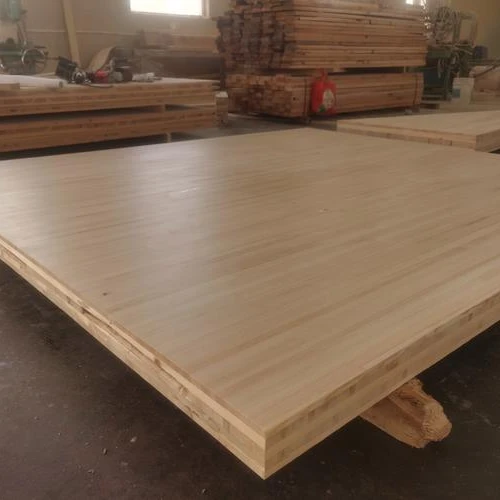
As expectations for quality of life and home environments continue to rise, solid wood boards face promising growth prospects. Compared to certain synthetic materials, solid wood boards offer natural grain, a pleasant tactile quality, and exceptional durability; they satisfy consumer demand for high-quality, eco-friendly furnishings, thereby maintaining significant potential for application in furniture manufacturing and interior design.
The growing emphasis on environmental sustainability is also driving the development of the solid wood board industry. Modern consumers are increasingly concerned with material sourcing, production processes, and indoor air quality, prompting the industry to shift toward eco-friendly and resource-efficient practices. In the future, the use of sustainable timber, optimized processing techniques, and reduced resource consumption during production will ensure that solid wood boards align even more closely with green development trends.
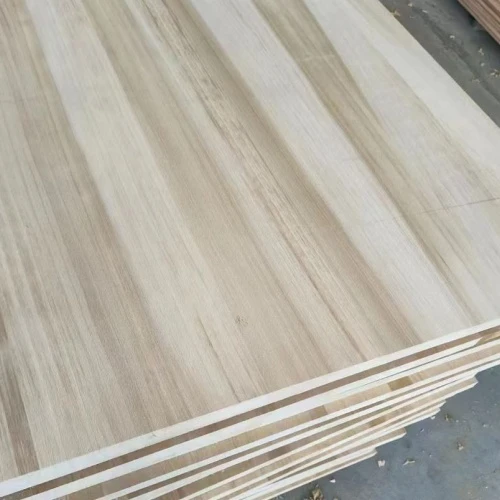
Advancements in processing technology are continuously enhancing the performance and versatility of solid wood boards. State-of-the-art drying techniques, preservative treatments, and surface finishing processes improve stability and durability, effectively mitigating issues such as cracking and warping. Furthermore, the integration of modern design concepts allows solid wood boards to be utilized in a wider array of furniture styles and interior spaces.
The solid wood board industry will increasingly prioritize quality enhancement, the rational use of resources, and product innovation. Beyond meeting traditional furniture manufacturing needs, the industry is poised to leverage smart manufacturing, eco-friendly production, and personalized design to create products that better meet modern consumer demands, thereby delivering greater value in the realms of green living and sustainable development.