

The functionality of melamine board relies primarily on the bonding of a substrate with a decorative surface layer to provide both aesthetic appeal and protection. Rather than being composed entirely of melamine, the board consists of a substrate-such as particleboard, medium-density fiberboard (MDF), or plywood-overlaid with decorative paper impregnated with melamine resin; a high-temperature, high-pressure process then fuses these components into a solid, durable unit.
Under heat and pressure, the melamine resin within the decorative paper undergoes a curing reaction, creating a hard, dense protective surface layer. This layer enhances the board's resistance to abrasion, scratches, and stains while shielding the substrate from environmental factors, thereby preserving the board's appearance and functional integrity.

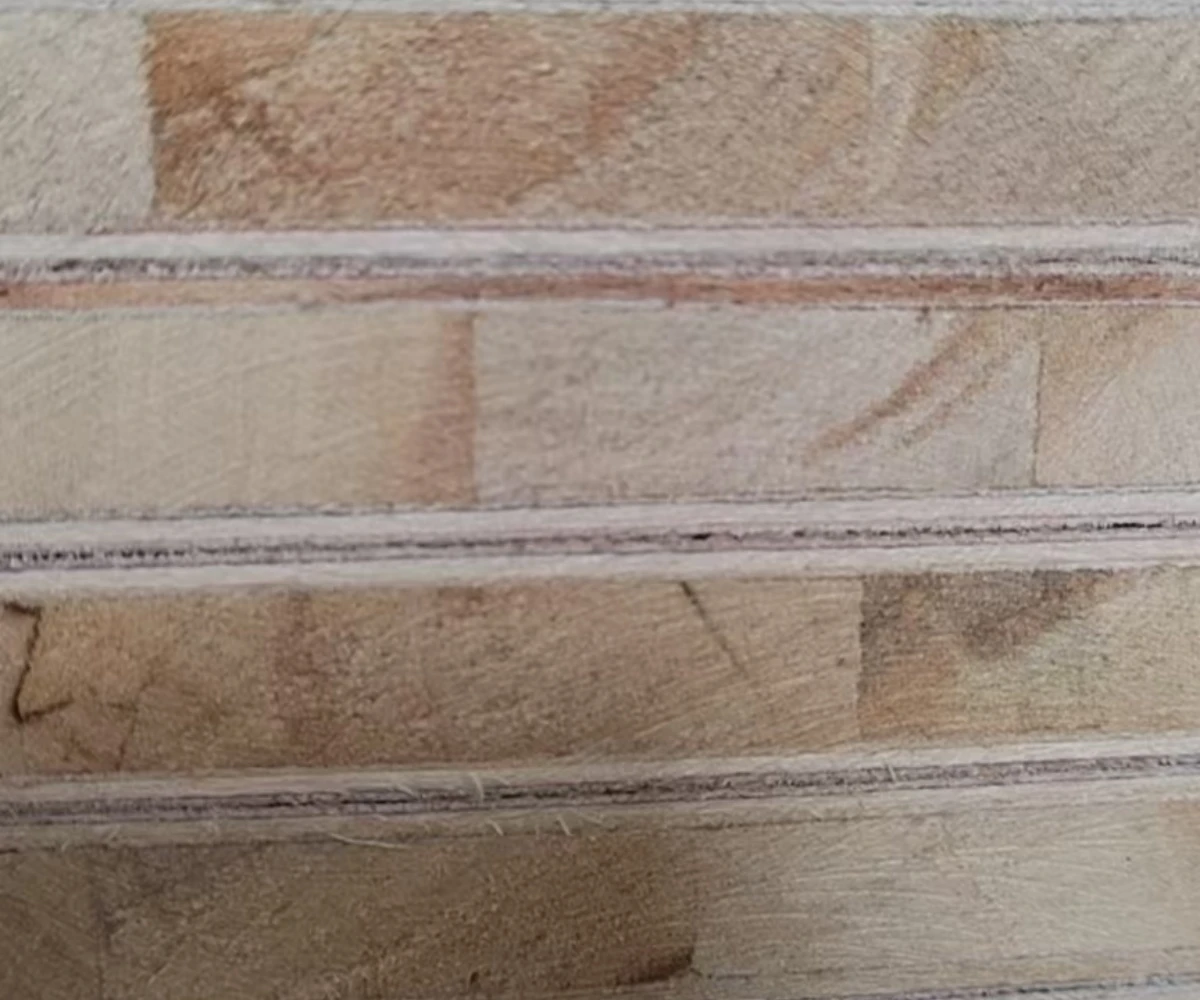
The substrate provides structural support, determining the board's strength, stability, and machinability, while the melamine surface layer serves decorative and protective functions. This combination offers a wide range of textures and colors alongside excellent practical performance, making the material well-suited for furniture manufacturing and interior decoration.
The protective surface layer enables melamine board to withstand daily wear, stains, and moderate temperature fluctuations, thereby extending the lifespan of the furniture. Furthermore, standardized manufacturing processes ensure dimensional stability and ease of processing, meeting the demands of modern mass-production furniture and diverse design requirements.


