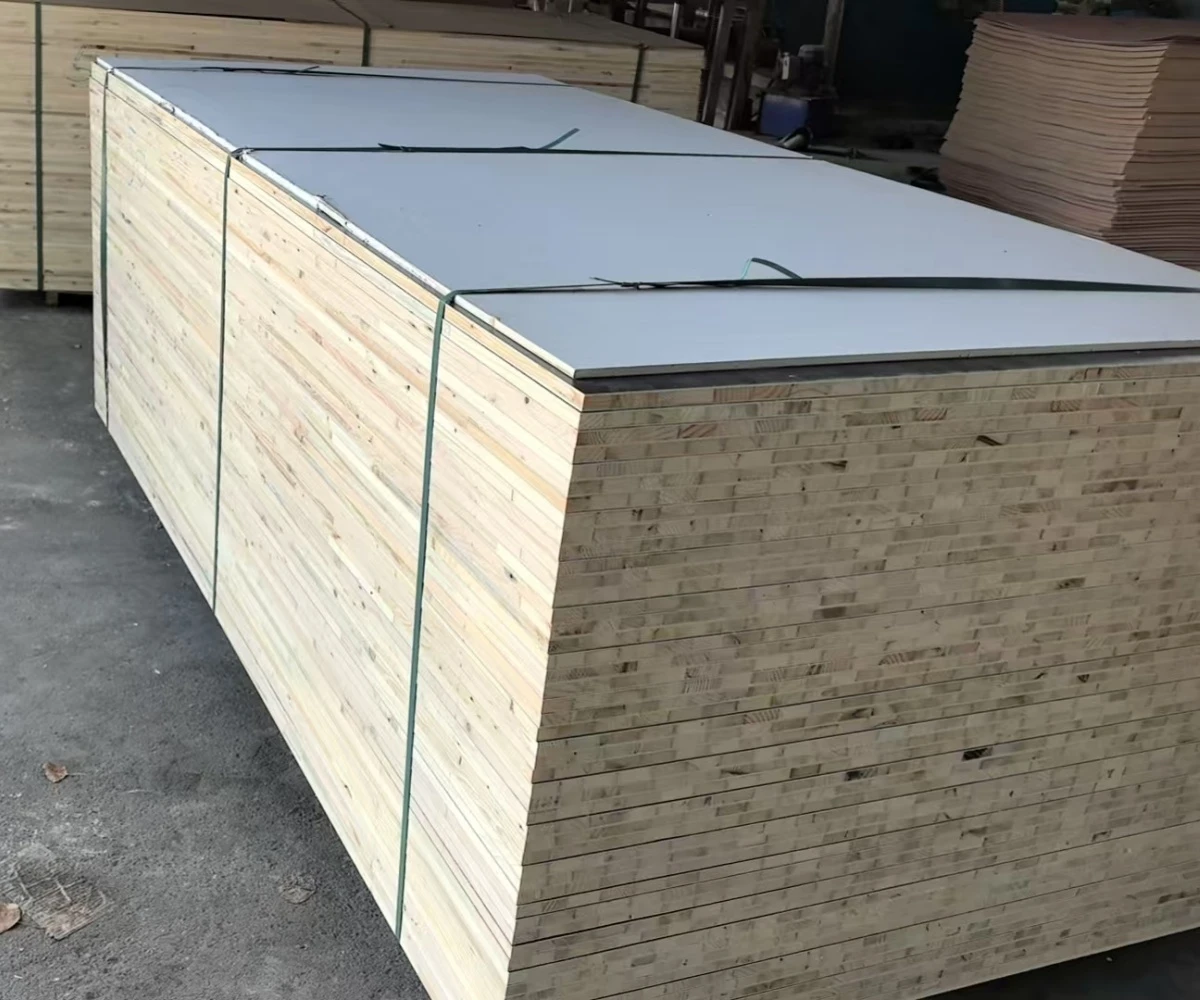
During transport, solid wood boards require specific protective measures against moisture, sunlight, and physical damage. Because wood is naturally hygroscopic and sensitive to fluctuations in environmental humidity, exposure to moisture during transit can lead to swelling, warping, or mold growth. Therefore, moisture-resistant packaging should be used to shield the boards from direct contact with rain or dew.
Careful handling is essential to avoid impacts or abrasion. Since the board surfaces are finished, scratches from sharp objects can compromise their appearance, and corners are particularly susceptible to damage from collisions. Appropriate handling equipment should be used during loading and unloading, avoiding dragging or forceful stacking.
Boards should be stacked flat and securely fastened during transport. Spacers (such as wooden strips) should be placed between boards to maintain a level alignment and prevent warping caused by uneven pressure distribution. Additionally, stack heights should be limited to avoid subjecting the bottom boards to excessive pressure, which could compromise structural stability.
Transport vehicles and environmental conditions also impact the quality of solid wood boards. Vehicles should be dry, clean, and offer adequate protection, avoiding prolonged exposure to high temperatures, direct sunlight, or damp conditions. Proper packaging, standardized loading and unloading procedures, and safe transport practices effectively minimize damage, ensuring the boards arrive at their destination in excellent condition, retaining both their performance and appearance.