

Performance testing of solid wood boards is primarily conducted to evaluate their quality, stability, and safety in use. Testing typically covers aspects such as visual quality, physical properties, mechanical properties, and environmental performance. Through scientific testing, it is possible to determine whether the boards meet production standards and usage requirements, thereby ensuring their reliability in furniture manufacturing and interior decoration.
Physical property testing focuses on indicators such as moisture content, density, water absorption, and dimensional stability. Since a board's moisture content directly influences its tendency to deform, it is essential to verify that this level falls within an appropriate range. Additionally, testing water absorption and dimensional changes helps assess the board's stability under varying temperature and humidity conditions, helping to minimize issues like cracking or warping during subsequent use.
Mechanical property testing is a crucial method for evaluating the load-bearing capacity of solid wood boards, covering parameters such as flexural strength, compressive strength, hardness, and nail-holding power. These indicators reflect the board's ability to withstand external forces and determine its suitability for various applications, including furniture, flooring, and decorative structures. High-quality solid wood boards generally exhibit superior strength and durability.
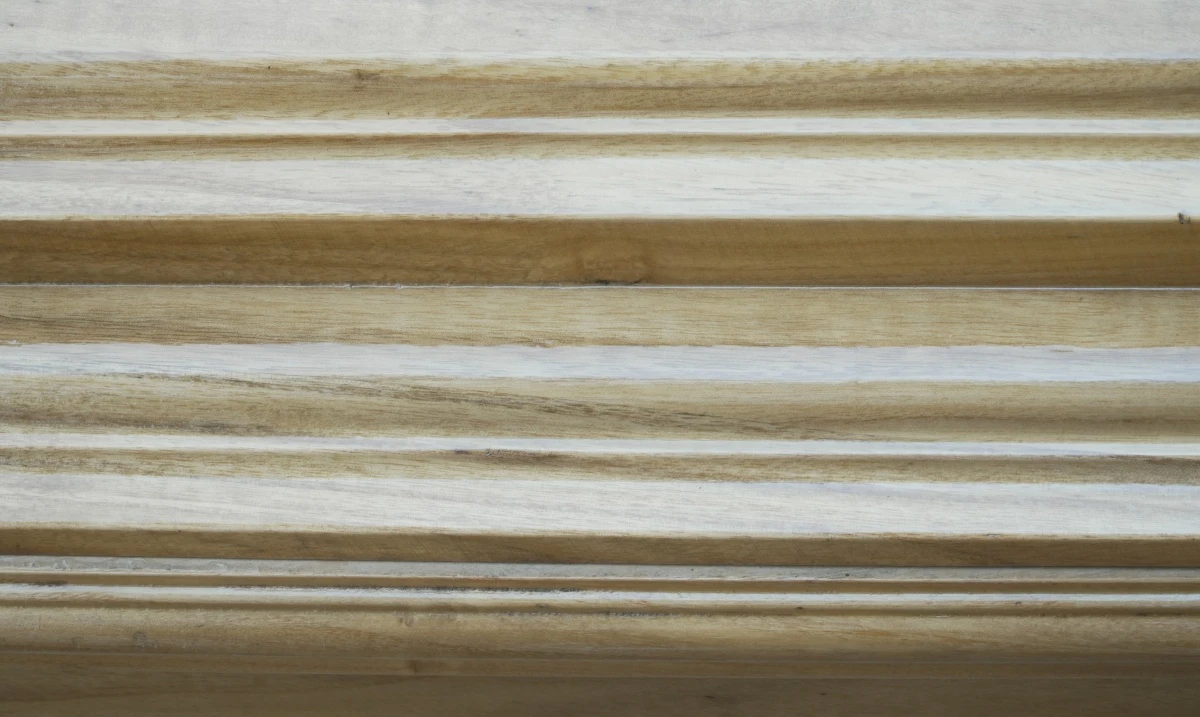
Solid wood boards also undergo environmental performance testing, focusing on factors such as formaldehyde emission levels and the safety of finishing materials. Boards that meet environmental standards minimize their impact on indoor air quality, making them better suited for modern homes. Comprehensive performance testing enhances product quality, offering consumers a choice of materials that are safer, more stable, and more durable.


