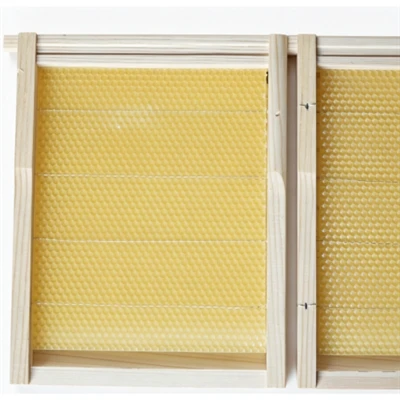
Can a weatherproof bee hive be used for both honey bees and other bee species? That's a question I get asked a lot as a supplier of Weatherproof Bee Hive. And it's a good one, because bees are diverse, and their needs can vary quite a bit.
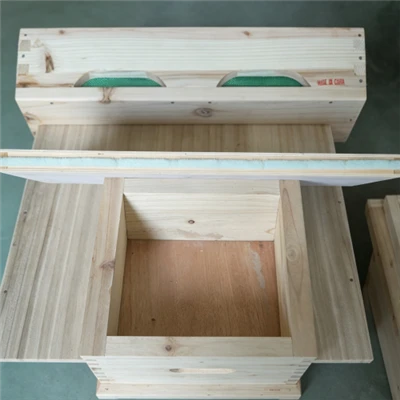
Let's start by talking about honey bees. They're the rock - stars of the bee world, well - known for making honey and pollinating our crops. Honey bees are social insects that live in large colonies. They build elaborate wax combs inside their hives to store honey, pollen, and raise their brood. A weatherproof bee hive is great for honey bees. It protects them from the elements, like rain, snow, and extreme temperatures. The weatherproofing keeps the inside of the hive at a more stable temperature, which is crucial for the survival and well - being of the colony. For honey bees, a multi - chambered hive is often ideal, as it allows them to have separate areas for different activities. Our Multi Layer Beehive is a perfect example. It provides multiple levels for the bees to build their combs, store honey, and rear their young.
But what about other bee species? There's a huge number of bee species out there, and not all of them are like honey bees. Some are solitary bees, which means they live alone instead of in large colonies. Mason bees and leafcutter bees are examples of solitary bees. These bees have different nesting requirements. Solitary bees usually lay their eggs in small cavities. They might use holes in wood, hollow plant stems, or even specially made nesting blocks.
A weatherproof bee hive can still be used for some of these solitary bee species, but it might need some modifications. For instance, you could add small nesting tubes inside the hive to mimic the natural cavities these bees prefer. Our Wooden Beehive Box can be adapted in this way. By drilling small holes or inserting pre - made nesting tubes, you can create a suitable home for solitary bees.
Bumblebees are another group of bees. They're social, but their colonies are much smaller than honey bee colonies. Bumblebees often nest in the ground or in small, sheltered places above ground. A weatherproof bee hive can potentially be used for bumblebees, but it would need to be set up in a way that mimics their natural nesting environment. You'd want to provide some soft, insulating material inside the hive, like moss or grass, to make it more comfortable for them.
Now, let's talk about the advantages of using a weatherproof bee hive for different bee species. One of the biggest benefits is protection. Whether it's honey bees, solitary bees, or bumblebees, they all need to be protected from bad weather. A weatherproof hive can keep them dry during rainstorms and warm during cold snaps. This protection can increase the survival rate of the bees, especially in areas with harsh climates.
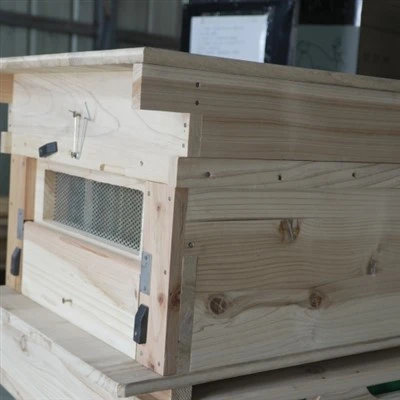
Another advantage is that a weatherproof bee hive can be more durable. It's made to withstand the elements, so it'll last longer than a regular hive. This means less maintenance and replacement costs for beekeepers. Our Assembled Bee Hive is a great option in this regard. It's pre - assembled, which saves time, and the weatherproofing ensures it'll be around for a long time.
However, there are also some challenges. Different bee species have different ventilation needs. Honey bees need good ventilation to prevent the build - up of moisture and heat inside the hive. Solitary bees might not need as much ventilation. So, when using a weatherproof bee hive for multiple bee species, you need to find a balance in ventilation.
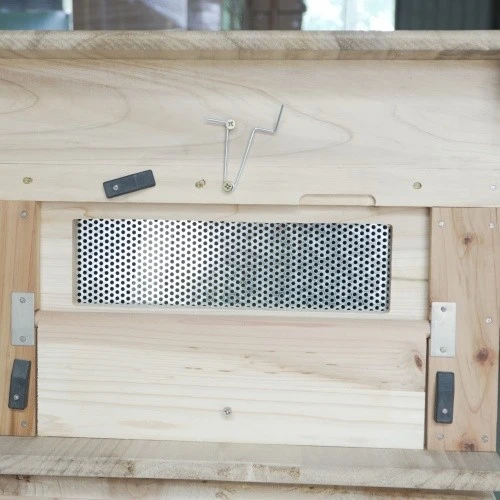
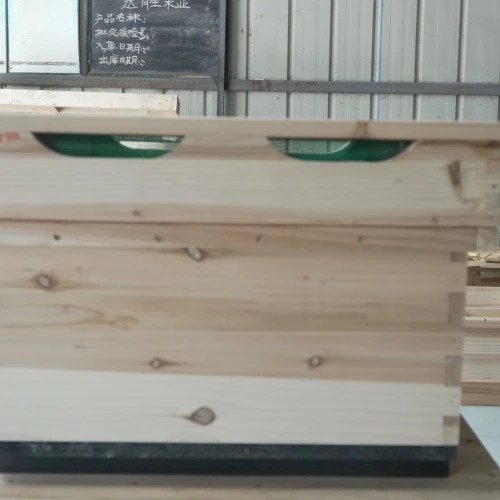
Also, the size of the hive matters. Honey bees need a large space to build their combs and store honey. Solitary bees, on the other hand, only need small nesting spaces. You might need to have different sizes of weatherproof hives or modify the existing ones to accommodate different bee species.
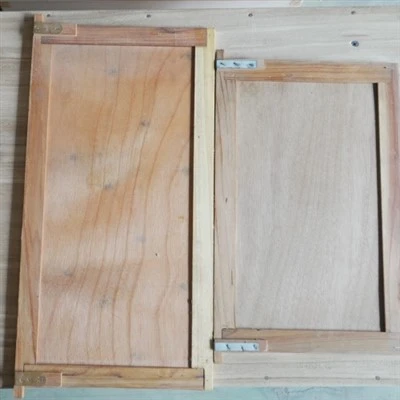
In terms of materials, most of our weatherproof bee hives are made of wood, like our Wooden Bee Hive. Wood is a natural and breathable material, which is good for the bees. It also provides some insulation. But different bee species might have different preferences for the type of wood or the finish on the wood. Some bees might be attracted to rough - textured wood, while others might prefer a smooth finish.
So, can a weatherproof bee hive be used for both honey bees and other bee species? The answer is yes, but with some considerations. You need to understand the specific needs of each bee species and make the necessary adjustments to the hive. Whether you're a beekeeper looking to keep honey bees, or you want to attract other bee species to your garden, a weatherproof bee hive can be a great investment.
If you're interested in learning more about our weatherproof bee hives or have questions about using them for different bee species, I'd love to talk to you. We can have a detailed discussion about your specific needs and how our hives can meet them. Reach out to start a conversation about purchasing the perfect bee hive for your bees.