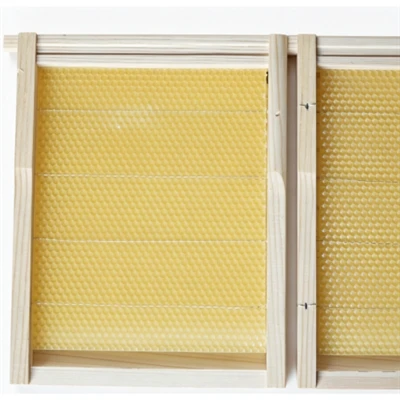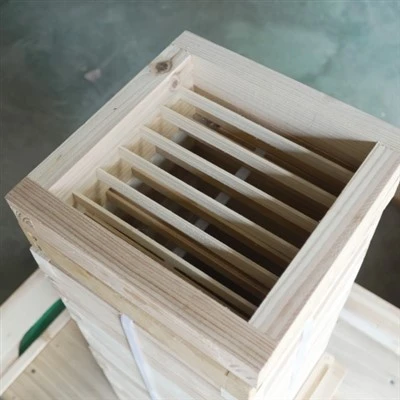
Hey there, fellow beekeepers and nature lovers! I'm [your name], and I'm stoked to run a business supplying all sorts of top - notch Wooden Bee Hive. Today, we're gonna dig deep into the question: How long does a wooden bee hive last?
Let's start with the basics. A wooden bee hive is like a little home for our buzzing friends, the bees. It's made of wood, which gives it a natural and cozy feel. But just like any home, it has a lifespan. The longevity of a wooden bee hive depends on a bunch of factors, and I'll break them down for you.
1. Type of Wood
The first thing that really matters is the type of wood used to build the hive. Some woods are more durable than others. For example, cedar is a popular choice for making bee hives. Cedar Bee Hive is known for its natural resistance to rot, insects, and decay. Cedar has natural oils that act as a sort of built - in protection. This means a cedar bee hive can last a long time, often up to 10 - 15 years or even more if it's well - maintained.
On the other hand, if you use a softer wood like pine, it might not last as long. Pine is more prone to rot and insect damage, especially if it's exposed to a lot of moisture. A pine bee hive might last around 5 - 7 years under normal conditions. So, when you're thinking about getting a wooden bee hive, keep the type of wood in mind.
2. Climate and Environment
The place where you set up your bee hive plays a huge role in how long it lasts. If you live in a dry, arid climate, your wooden bee hive is likely to last longer. Dry conditions mean less moisture, and moisture is the enemy of wood. It can cause the wood to rot, warp, and attract pests.
In contrast, if you're in a humid or wet climate, you've got to be extra careful. The constant moisture can speed up the decay process. You might need to take extra steps to protect your hive, like using a waterproof sealant or placing it in a sheltered area. For example, if your hive is constantly exposed to rain and high humidity, even a cedar hive might start to show signs of wear and tear after 7 - 10 years.
3. Maintenance
How you take care of your wooden bee hive is crucial. Regular maintenance can significantly extend its lifespan. One of the most important things to do is to keep the hive clean. Remove any debris, dead bees, or old honeycombs regularly. This helps prevent the growth of mold and bacteria, which can damage the wood.
You should also check the hive for any signs of damage, like cracks or holes. If you find any, repair them as soon as possible. A small crack can become a big problem over time, allowing moisture and pests to get inside.
Another aspect of maintenance is painting or sealing the hive. A good coat of paint or sealant can protect the wood from the elements. However, make sure to use a non - toxic product that won't harm the bees. If you do these maintenance tasks regularly, you can add a few extra years to the life of your wooden bee hive.
4. Design of the Hive
The design of the bee hive also affects its lifespan. There are different types of wooden bee hives, such as 8 Frame Beehive, Single Layer Beehive, and Multi Layer Beehive.


An 8 - frame beehive is a common and relatively simple design. It's easy to manage and maintain, which can contribute to a longer lifespan. Single - layer beehives are less complex and might be more durable in some cases because there are fewer parts that can go wrong.
Multi - layer beehives, on the other hand, offer more space for the bees but might require more maintenance. The additional layers mean more joints and connections, which can be vulnerable to moisture and damage. If you take good care of a multi - layer beehive, it can last just as long as the other types, but you need to be more diligent with your inspections.
Estimating the Lifespan Based on Different Scenarios
Let's look at some real - world scenarios to get a better idea of how long a wooden bee hive can last.
Scenario 1: Cedar Hive in a Dry Climate with Good Maintenance
If you have a Cedar Bee Hive in a dry climate like the deserts of the southwestern United States and you take good care of it, it could last easily 15 - 20 years. The cedar wood's natural resistance to decay and the lack of moisture in the environment work in your favor. You'll still need to do regular inspections and cleanings, but the overall wear and tear will be minimal.
Scenario 2: Pine Hive in a Humid Climate with Minimal Maintenance
In a humid climate, like the southeastern United States, a pine bee hive that doesn't get much maintenance might only last 3 - 5 years. The high humidity will cause the pine to rot quickly, and without proper cleaning and repairs, the hive will deteriorate rapidly.
Scenario 3: Well - maintained Multi - Layer Cedar Hive in a Moderate Climate
A Multi Layer Beehive made of cedar in a moderate climate, where there's some rain but also plenty of dry days, can last around 10 - 15 years. The cedar provides good protection, and if you keep up with the maintenance tasks like cleaning, sealing, and repairing any damage, the hive will serve your bees well for a long time.
Why Choose Our Wooden Bee Hives
As a supplier of wooden bee hives, I can tell you that our products are made with the highest quality materials. We use premium cedar and other durable woods to ensure that our hives last as long as possible. Our team of experts carefully crafts each hive, paying attention to every detail.
We offer a variety of designs, including 8 Frame Beehive, Single Layer Beehive, and Multi Layer Beehive, so you can choose the one that best suits your needs. And we're always here to provide advice on how to maintain your hive to get the most out of it.
Contact Us for Your Bee Hive Needs
If you're in the market for a high - quality wooden bee hive, I encourage you to get in touch with us. Whether you're a beginner beekeeper or an experienced pro, we've got the perfect hive for you. We can help you find the right type of hive based on your location, climate, and the number of bees you plan to keep.
If you have any questions about our wooden bee hives, their lifespan, or how to take care of them, don't hesitate to reach out. We're passionate about beekeeping and want to help you succeed in your beekeeping journey. So, let's start a conversation and see how we can partner to give your bees a great home.