Can wooden feeders be painted?
As a supplier of Wooden Feeders, I often encounter questions from customers regarding various aspects of our products. One frequently asked question is whether wooden feeders can be painted. In this blog, I'll explore this topic in detail, taking into account scientific facts, practical considerations, and the potential impacts on both the wooden feeder and the inhabitants it serves, typically bees in the context of beekeeping.
The Nature of Wooden Feeders
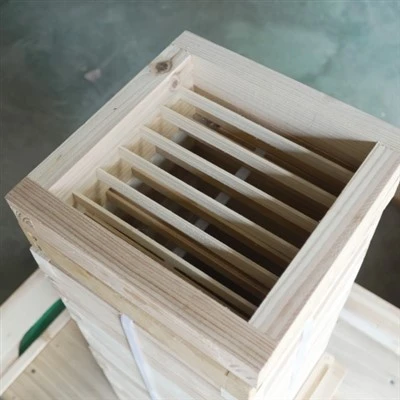
Wood is a natural and popular material for feeders due to its many advantages. It is a renewable resource, relatively easy to work with, and provides good insulation properties. This insulation helps maintain a more stable temperature inside the feeder, which can be beneficial for the food or liquid being stored and the creatures using the feeder. However, wood is also susceptible to environmental factors such as moisture, pests, and decay over time.
Reasons for Painting Wooden Feeders
Protection
One of the primary reasons for painting a wooden feeder is protection. A good coat of paint can act as a barrier against moisture, preventing the wood from absorbing water and potentially rotting. It can also protect the wood from pests such as termites and other insects that might be attracted to untreated wood. By creating a protective layer, the lifespan of the wooden feeder can be significantly extended.
Aesthetics
Painting also offers an opportunity to enhance the appearance of the feeder. You can choose colors that blend in with the surrounding environment, making the feeder less obtrusive. Alternatively, you can use bright and vibrant colors to make it more visually appealing. This can be particularly useful for those who want to showcase their beekeeping setup or add a decorative touch to their garden.
Identification
In a large beekeeping operation, painting feeders different colors can help with identification. This makes it easier for beekeepers to keep track of individual feeders, monitor their usage, and perform maintenance as needed.
Considerations Before Painting
Paint Selection
Not all paints are suitable for use on wooden feeders, especially those used in beekeeping. When choosing a paint, it is crucial to select one that is non - toxic. Bees are highly sensitive to chemicals, and any toxic substances in the paint could harm them. Look for paints labeled as "non - toxic" or "safe for use around animals." Water - based paints are often a good choice as they tend to have fewer harmful chemicals compared to oil - based paints.
Surface Preparation
Proper surface preparation is essential for a good paint job. The wooden feeder should be clean, dry, and free of any dirt, debris, or old paint. Sanding the surface lightly can help the paint adhere better. It is also important to fill any cracks or holes in the wood before painting to ensure a smooth and even finish.
Ventilation
During the painting process, ensure that there is adequate ventilation. This helps to prevent the build - up of fumes, which can be harmful to both the painter and the bees. If possible, paint the feeder outdoors or in a well - ventilated area.
The Painting Process
Primer
Applying a primer is an important step in the painting process. A primer helps the paint adhere better to the wood and provides an additional layer of protection. Choose a primer that is compatible with the paint you have selected. Apply the primer evenly using a brush or a roller, and allow it to dry completely according to the manufacturer's instructions.
Paint Application
Once the primer is dry, you can start applying the paint. Use a high - quality brush or a roller for a smooth finish. Apply thin, even coats of paint, allowing each coat to dry completely before applying the next one. Multiple coats may be necessary to achieve a durable and long - lasting finish.
Potential Drawbacks of Painting
Reduced Naturalness
One potential drawback of painting wooden feeders is that it can reduce the naturalness of the wood. Some beekeepers prefer the look and feel of natural wood, believing that it provides a more authentic environment for the bees. Additionally, the natural scent of the wood may be masked by the paint, which could potentially affect the bees' behavior.
Chemical Residues
Even non - toxic paints can leave behind some chemical residues. While these residues are generally considered safe, they may still have a minimal impact on the bees. It is important to allow the painted feeder to dry and air out thoroughly before using it to minimize any potential risks.

Other Wooden Beehive Accessories
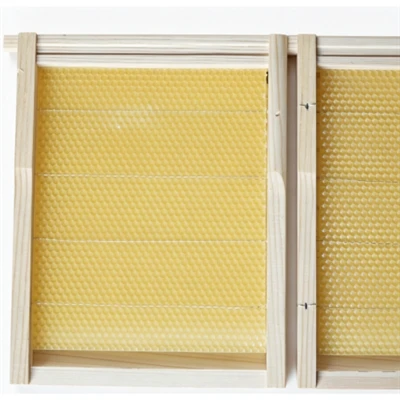
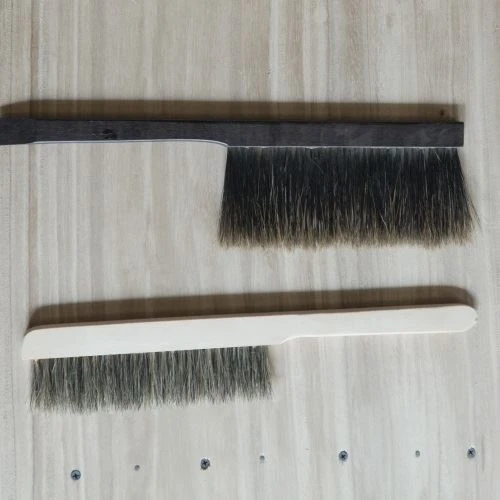
In addition to wooden feeders, we also offer a range of other wooden beehive accessories. For example, you might be interested in our Wooden Honeycomb Foundation, which provides a stable base for the bees to build their honeycombs. Our Wooden Burlap Sack can be used for storing various beekeeping supplies. The Wooden Queen Excluder is an essential tool for controlling the movement of the queen bee within the hive. And our Wooden Bee Brush is gentle enough to handle the bees without causing harm. If you are in the market for a high - quality Wooden Feeder, we have a variety of options to meet your needs.
Contact for Purchase and Consultation
If you have any further questions about our wooden feeders, painting them, or any of our other beehive accessories, please don't hesitate to reach out. We are always happy to assist you in making the best choice for your beekeeping operation. Whether you are a beginner or an experienced beekeeper, our team of experts can provide valuable advice and support. Contact us to start a discussion about your specific requirements and let us help you enhance your beekeeping experience.