As a trusted Pine Wood Beehive supplier, I understand the significance of ensuring a proper fit for the beehive cover. A well - fitting cover is crucial for the well - being of the bees and the overall functionality of the beehive. In this blog, I will share some essential tips and techniques on how to achieve a proper fit of the cover on a pine wood beehive.
Understanding the Importance of a Proper Fit
A correct fit of the beehive cover is not just about aesthetics; it has several practical implications. First, it provides protection against the elements. Whether it's heavy rain, strong winds, or intense sunlight, a tightly - fitting cover shields the interior of the beehive. This protection helps in maintaining a stable internal environment for the bees, which is essential for their survival and productivity.
Secondly, a proper fit deters pests and predators. Bees are vulnerable to various threats such as wasps, mice, and other insects. A well - sealed cover makes it difficult for these unwelcome guests to enter the beehive and cause harm to the colony.
Finally, it helps in energy conservation. When the cover fits well, the bees don't have to expend as much energy to maintain the right temperature and humidity inside the hive. This allows them to focus more on honey production and brood rearing.
Measuring the Beehive
Before you can ensure a proper fit for the cover, accurate measurements of the beehive are essential. Use a high - quality measuring tape to measure the length, width, and height of the top of the beehive body. Make sure to measure at multiple points to account for any irregularities in the wood, as slight variations can exist even in well - crafted pine wood beehives.
Take note of these measurements precisely. Record them in a notebook or use a digital notepad. When ordering a cover or custom - making one, it's important to communicate these measurements clearly. For example, our Pine Wood Beehive comes with detailed specifications, but it's always a good idea to double - check the measurements on your own.
Selecting the Right Cover
There are different types of covers available for pine wood beehives. The most common ones are telescoping covers and top - bar covers.
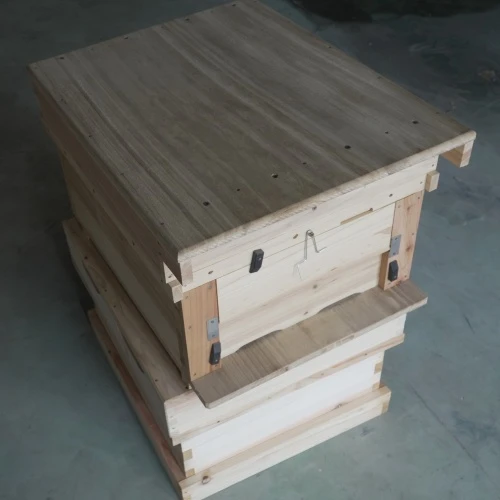
Telescoping covers are designed to fit over the top of the beehive body, extending down the sides. They provide a good seal and are relatively easy to install and remove. These covers often have a lip that goes around the edge of the beehive, which can help in keeping out moisture and pests.
Top - bar covers, on the other hand, sit directly on top of the top bars of the beehive. They are a popular choice for some beekeepers because they allow for easy access to the hive. However, they need to be carefully sized to ensure a proper fit.
When selecting a cover, consider the climate in your area. If you live in a region with heavy rainfall, a telescoping cover might be a better choice as it offers more protection against water infiltration. If you prefer a more hands - on approach to beekeeping and need frequent access to the hive, a top - bar cover could be more suitable. We also offer a variety of other beehives such as Cedar Bee Hive, Apiculture Bee Hive, 8 Frame Beehive and Wooden Beehive Box, each with different cover options.
Adjusting the Cover
In some cases, even if you have selected the right cover, it may still need some adjustments to fit perfectly. If the cover is too large, you can carefully trim the edges using a fine - toothed saw. Make small cuts at a time and test the fit frequently to avoid cutting too much.
If the cover is too small, you may need to add a strip of wood around the edges. Choose a piece of pine wood that matches the color and grain of the beehive. Use wood glue to attach the strip and then nail or screw it in place. Sand the edges smooth to ensure a seamless look and a proper fit.
Sealing the Cover
To enhance the protection provided by the cover, it's a good idea to seal it. You can use a food - grade beeswax or a natural wood sealant. Apply the sealant to the inside and outside of the cover, paying special attention to the edges. This will not only make the cover more water - resistant but also help in preventing the wood from warping over time.
Regular Maintenance and Checks
Once you have achieved a proper fit for the cover, regular maintenance is crucial. Check the cover periodically to ensure that it remains in good condition. Look for signs of wear and tear, such as cracks or loose joints. If you notice any issues, repair them immediately to maintain the integrity of the seal.
Inspect the cover after extreme weather conditions. Heavy rain, strong winds, or snow can sometimes cause the cover to shift or become damaged. By catching these problems early, you can prevent more serious issues from developing and protect the health of your bee colony.
Training Your Bees (Indirectly)
Although it may sound unusual, the way you handle the cover can indirectly influence the behavior of the bees. When you remove or replace the cover, do it slowly and gently. Sudden movements can startle the bees and make them more defensive. Over time, the bees will get used to the routine, and it will be easier to work with the beehive without causing unnecessary stress to the colony.
Conclusion
Ensuring a proper fit of the cover on a pine wood beehive is a multi - step process that involves accurate measurement, careful selection, and appropriate adjustments. By taking the time to get it right, you are providing a safe and comfortable home for your bees, which in turn can lead to a more productive and successful beekeeping operation.
If you are interested in purchasing our high - quality pine wood beehives or need further advice on ensuring a proper fit for the covers, feel free to reach out to us. We are here to assist you in every step of your beekeeping journey.