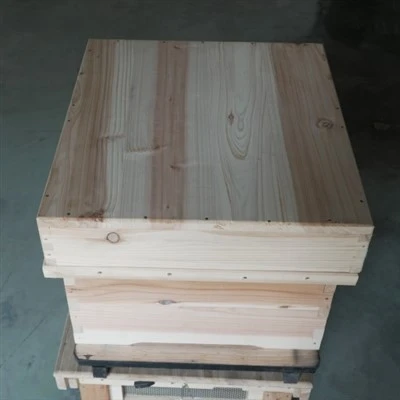
A multi - layer beehive is a significant investment for beekeepers looking to expand their apiaries and optimize honey production. As a multi - layer beehive supplier, I often encounter the question: "How many layers should a multi - layer beehive have?" This query is not straightforward, as various factors need to be considered.
Understanding the Basics of Multi - Layer Beehives
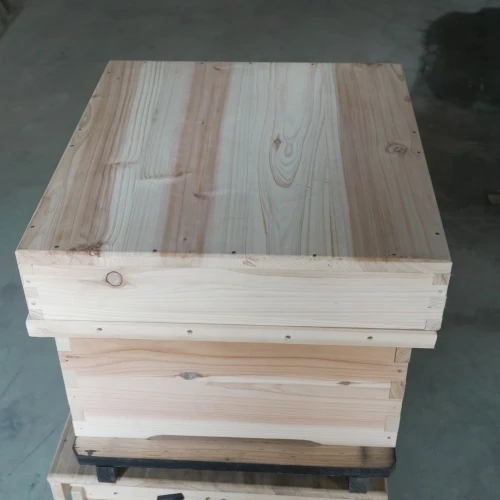
Before delving into the number of layers, it's essential to understand the purpose of a multi - layer beehive. Unlike a Single Layer Beehive, a multi - layer beehive allows bees to expand their living space vertically. This design mimics the natural behavior of bees, which build their combs in clusters. Each layer typically contains frames where bees construct honeycombs, store honey, and raise brood.
Factors Influencing the Number of Layers
Bee Colony Strength
The strength of the bee colony is a primary factor in determining the number of layers. A large, thriving colony with a high population can quickly outgrow a single - layer hive and require additional space. In contrast, a newly established or weak colony may struggle to populate and maintain multiple layers, leading to issues such as poor ventilation and increased susceptibility to pests and diseases. For a strong, established colony, starting with at least two or three layers is recommended. As the colony grows, more layers can be added.
Honey Production Goals
Beekeepers have different honey production goals. Some aim to produce honey for personal consumption, while others run commercial apiaries. If your goal is high - volume honey production, more layers will provide additional space for honey storage. Each layer can hold a significant amount of honey, and by increasing the number of layers, you can potentially double or triple your honey yield. For instance, a 10 Frame Beehive in each layer can store a substantial amount of honey if the colony is strong enough to fill it.
Climate Conditions
Climate plays a crucial role in determining the number of layers. In colder climates, a multi - layer beehive can act as insulation for the bees during the winter. The bees cluster together in the lower layers, and the additional layers above help trap heat. However, in hot and humid climates, too many layers can cause overheating and poor ventilation inside the hive. In such cases, fewer layers with proper ventilation systems are preferred. A Weatherproof Bee Hive can be a suitable option, as it is designed to withstand various weather conditions.
Available Space
The physical space in your apiary is another consideration. If you have limited space, a multi - layer beehive with fewer layers may be more practical. On the other hand, if you have ample space, you can accommodate beehives with more layers, allowing for larger colonies and increased honey production.

Recommended Layer Configurations
For Beginners
For novice beekeepers, starting with a two - layer or three - layer beehive is a good choice. This provides enough space for the colony to grow without being overwhelming. The bottom layer can be used for brood rearing, and the upper layers can be for honey storage. A beginner can closely monitor the colony and gradually add more layers as the bees expand. An Assembled Bee Hive is an ideal option for beginners, as it comes pre - assembled and is easy to set up.
For Intermediate Beekeepers
Intermediate beekeepers can manage colonies with four to six layers. At this stage, the beekeeper has a better understanding of bee behavior and can handle larger colonies. The additional layers provide more space for honey production and allow the colony to thrive. However, it is important to regularly inspect the hive to ensure proper ventilation and colony health.
For Commercial Beekeepers
Commercial beekeepers often use beehives with six or more layers. These large - scale operations require high - volume honey production, and multiple layers can accommodate the large colonies needed to achieve this. Commercial beekeepers also need to consider the logistics of managing these large hives, such as transportation and honey extraction. An Apiculture Bee Hive is designed to meet the specific needs of commercial beekeeping, with features such as easy access for inspection and honey extraction.
Monitoring and Adjusting the Number of Layers
Regardless of your experience level, it is crucial to regularly monitor your beehives. Check the frames for brood development, honey storage, and the presence of pests or diseases. If the bees are filling the existing layers quickly and showing signs of overcrowding, such as swarming behavior, it may be time to add another layer. Conversely, if the colony is weak or there are issues with ventilation, you may need to remove a layer.
Conclusion
Determining the number of layers for a multi - layer beehive is a decision that depends on multiple factors, including colony strength, honey production goals, climate conditions, and available space. As a multi - layer beehive supplier, I'm here to help you make the best choice for your apiary. Whether you're a beginner looking for a simple and manageable setup or a commercial beekeeper aiming for high - volume production, we have the right beehives to meet your needs.
If you're interested in purchasing multi - layer beehives or have any questions about apiary management, I encourage you to get in touch for a procurement discussion. I look forward to working with you to enhance your beekeeping experience and achieve your honey production goals.