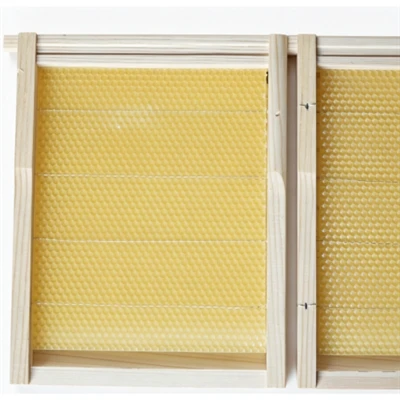
Drones, the male bees in a honey bee colony, play a crucial role in the reproductive cycle of bees. However, an overpopulation of drones in a bee hive can have negative consequences for the overall health and productivity of the colony. As a supplier of Apiculture Bee Hive, I've seen firsthand the challenges beekeepers face with drone overpopulation. In this blog post, I will share some effective strategies to prevent drone overpopulation in a bee hive.
Understanding the Role of Drones in a Bee Colony
Before delving into prevention methods, it's essential to understand the role of drones in a bee colony. Drones are male bees whose primary purpose is to mate with virgin queens. They do not have stingers and do not participate in tasks like foraging, nursing the brood, or defending the hive. Drones are larger than worker bees and have a more robust body structure.
During the mating season, drones will leave the hive in search of virgin queens from other colonies. Once they mate with a queen, they die shortly after. The presence of drones is necessary for the genetic diversity and survival of the honey bee species. However, an excessive number of drones can strain the colony's resources, as they consume a significant amount of honey and pollen without contributing to the hive's daily activities.
Signs of Drone Overpopulation
Recognizing the signs of drone overpopulation is the first step in addressing the issue. Some common signs include:
- Excessive Drone Cells: The presence of an unusually large number of drone cells in the comb is a clear indication of drone overpopulation. Drone cells are larger than worker cells and are typically located on the edges or bottom of the comb.
- High Drone-to-Worker Ratio: A high ratio of drones to worker bees in the hive can also signal a problem. In a healthy colony, the number of drones should be relatively small compared to the number of worker bees.
- Reduced Honey Production: Drone overpopulation can lead to a decrease in honey production, as the colony's resources are being used to support the large number of drones instead of being allocated towards honey production.
- Weak Colony: A colony with a large number of drones may appear weak and less productive. The bees may be less aggressive in defending the hive and may have difficulty in maintaining the proper temperature and humidity levels.
Strategies to Prevent Drone Overpopulation
Provide Adequate Space
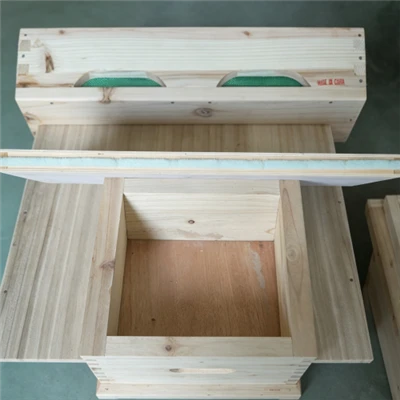
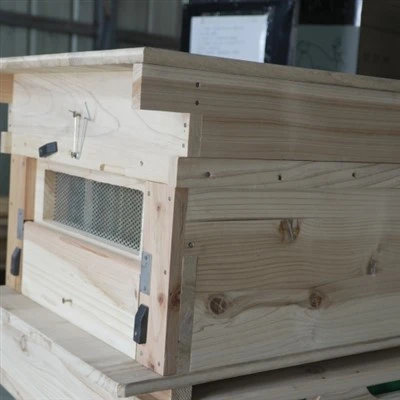
One of the primary reasons for drone overpopulation is a lack of space in the hive. When the hive becomes overcrowded, the queen may start laying more drone eggs as a way to relieve the congestion. To prevent this, make sure to provide enough space for the bees to expand their colony. This can be achieved by adding additional supers or frames to the hive as needed. Our Assembled Bee Hive and 8 Frame Beehive are designed to provide ample space for the bees to thrive.
Use Drone-Excluding Devices
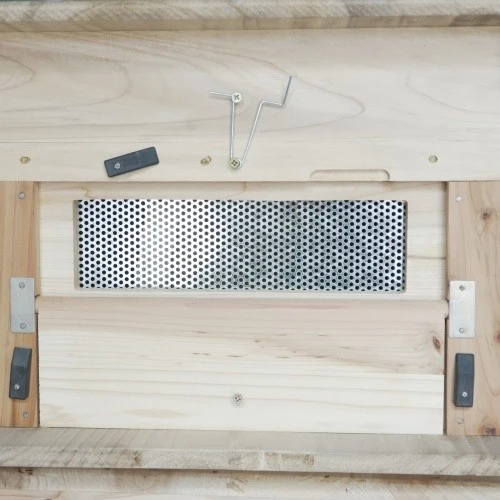
Drone-excluding devices, such as drone excluders, can be an effective way to prevent drones from entering certain parts of the hive. A drone excluder is a metal or plastic grid with openings that are large enough for worker bees to pass through but too small for drones. By placing a drone excluder between the brood chamber and the honey supers, you can prevent drones from entering the honey supers and consuming the honey. This not only helps to reduce the number of drones in the hive but also ensures that the honey is of high quality.

Regularly Inspect the Hive
Regular hive inspections are essential for detecting and addressing drone overpopulation early on. During the inspection, carefully examine the comb for the presence of drone cells. If you notice an excessive number of drone cells, you can remove them using a hive tool. This will prevent the queen from laying more drone eggs in those cells. Additionally, inspect the hive for any signs of disease or pests, as these can also contribute to drone overpopulation.
Requeen the Colony
If you have tried all the above methods and are still experiencing drone overpopulation, requeening the colony may be necessary. A new queen can help to restore the balance in the hive and reduce the number of drones. When selecting a new queen, choose one that is known for her high-quality genetics and low tendency to produce drones. Our Cedar Bee Hive provides a suitable environment for a new queen to thrive.
Manage the Mating Season
The mating season is a critical time for bee colonies, as it is when drones are most active. To prevent drone overpopulation during this time, you can take several steps. First, make sure to provide plenty of food and water for the bees to support their increased activity levels. Second, limit the number of drones in the hive by removing any excess drone cells before the mating season begins. Finally, keep an eye on the weather conditions, as drones are more likely to leave the hive on warm, sunny days.
Importance of a Balanced Drone Population
While it's important to prevent drone overpopulation, it's also crucial to maintain a balanced drone population in the hive. A certain number of drones are necessary for the reproductive success of the colony. Without drones, the queen would not be able to mate, and the colony would eventually die out. Therefore, it's important to find a balance between preventing drone overpopulation and ensuring that there are enough drones to support the colony's reproductive needs.
Conclusion
Preventing drone overpopulation in a bee hive is essential for the health and productivity of the colony. By understanding the role of drones, recognizing the signs of overpopulation, and implementing the strategies outlined in this blog post, you can effectively manage the drone population in your hive. As a supplier of Apiculture Bee Hive, I'm committed to providing high-quality beekeeping equipment and resources to help you succeed in your beekeeping endeavors. If you have any questions or would like to learn more about our products, please feel free to contact us. We look forward to working with you to ensure the success of your bee colonies.