Hey there, fellow beekeepers! As a supplier of Weatherproof Bee Hives, I've seen my fair share of common mistakes when it comes to using these hives. In this blog post, I'm gonna share some of the most frequent blunders and how you can avoid them to keep your bees happy and healthy.
1. Poor Placement
One of the biggest mistakes beekeepers make is placing their weatherproof bee hives in the wrong spot. Bees need a location that gets plenty of sunlight, especially in the morning. Sunlight helps warm up the hive, which is crucial for the bees' metabolism and overall well - being. But at the same time, you don't want the hive to be in direct sunlight all day long, as it can overheat.
A good rule of thumb is to find a spot that gets morning sun and some shade in the afternoon. Also, make sure the hive is placed on a level surface. If the hive is tilted, it can cause problems with the honeycombs and the bees' ability to move around inside.
Another aspect of placement is protection from the wind. Strong winds can cool down the hive too much, making it difficult for the bees to maintain a stable temperature. You can use natural barriers like trees or shrubs, or even build a small windbreak around the hive.
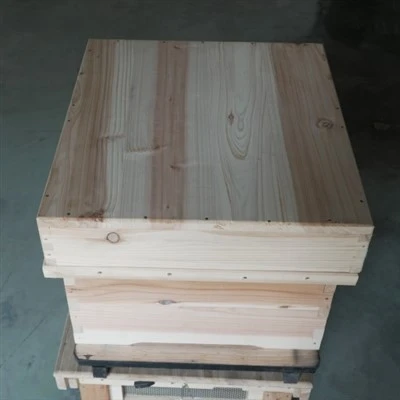
If you're interested in a well - designed weatherproof hive that can withstand different environmental conditions, check out our Weatherproof Bee Hive.

2. Inadequate Ventilation
Ventilation is super important for a weatherproof bee hive. Without proper ventilation, moisture can build up inside the hive, leading to mold and mildew growth. This can be harmful to the bees and can also affect the quality of the honey.
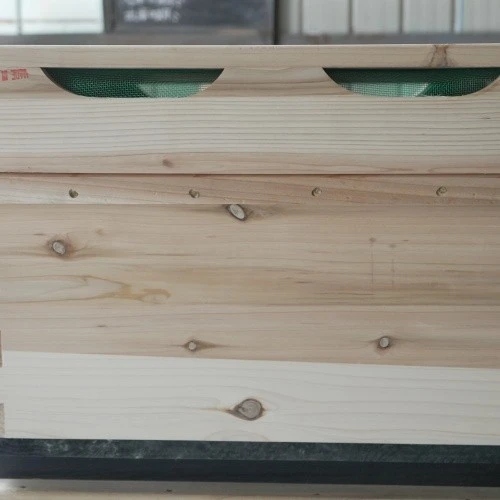
Many beekeepers make the mistake of sealing the hive too tightly, thinking it will keep the weather out. But this actually traps moisture inside. You need to provide some form of ventilation, such as small holes or screened areas at the top or bottom of the hive.
However, be careful not to over - ventilate either. If there's too much air flow, it can cause the hive to lose heat, especially in cold weather. Finding the right balance is key. Our 10 Frame Beehive is designed with proper ventilation in mind, ensuring a healthy environment for your bees.
3. Ignoring Insulation
Weatherproof bee hives should be well - insulated, especially in areas with extreme temperatures. Insulation helps keep the hive warm in the winter and cool in the summer. Some beekeepers forget about insulation or use materials that aren't effective.
There are different types of insulation you can use, such as foam boards, straw, or even specialized insulation materials. Make sure the insulation is properly installed and covers all the necessary areas of the hive.
Our Cedar Bee Hive is made from cedar wood, which is a natural insulator. It helps regulate the temperature inside the hive, providing a more comfortable environment for the bees.
4. Improper Maintenance
Maintenance is crucial for the longevity of your weatherproof bee hive. One common mistake is not cleaning the hive regularly. Debris, dead bees, and old honeycombs can accumulate inside the hive, which can attract pests and diseases.
You should clean the hive at least once a year, preferably in the spring or fall. Remove any old or damaged honeycombs, and scrape off any excess wax or propolis. Also, check the hive for any signs of damage, such as cracks or holes, and repair them as soon as possible.
Another aspect of maintenance is checking the hive for pests and diseases. Varroa mites, wax moths, and foulbrood are some of the common problems that beekeepers face. Regular inspections can help you catch these issues early and take appropriate action.
Our Assembled Bee Hive is easy to maintain, with simple access points for cleaning and inspections.
5. Incorrect Feeding
Feeding your bees is an important part of beekeeping, but many beekeepers make mistakes in this area. Some over - feed the bees, which can lead to obesity and other health problems. On the other hand, under - feeding can cause the bees to starve, especially during the winter months.
You need to provide the right amount of food at the right time. In the spring and summer, bees usually have plenty of natural sources of nectar and pollen. But in the fall and winter, you may need to supplement their diet with sugar syrup or pollen patties.
Make sure the food you provide is of good quality. Poor - quality food can contain contaminants that can harm the bees. Also, be careful not to introduce new diseases or pests through the food.
6. Overcrowding
Overcrowding is a common problem in bee hives. When there are too many bees in a small space, it can lead to stress, aggression, and the spread of diseases. You need to monitor the population of your hive and provide enough space for the bees to grow.
You can add additional supers or frames to the hive as the population increases. This will give the bees more room to build honeycombs and store honey. Our Single Layer Beehive can be easily expanded to accommodate a growing bee population.
7. Not Monitoring the Weather
As a beekeeper, you need to keep an eye on the weather. Sudden changes in temperature, humidity, or precipitation can affect the bees and the hive. For example, heavy rain can flood the hive if it's not properly protected.
You should be prepared for different weather conditions. In the winter, you may need to wrap the hive with insulation or move it to a more sheltered location. In the summer, you may need to provide additional ventilation or shade.
By monitoring the weather and taking appropriate action, you can help your bees survive and thrive.
Conclusion
Using a weatherproof bee hive can be a great way to keep your bees safe and healthy, but it's important to avoid these common mistakes. By following the tips I've shared in this blog post, you can ensure that your hive is in good condition and your bees are happy.
If you're interested in purchasing a high - quality weatherproof bee hive or have any questions about beekeeping, feel free to reach out to us for a procurement discussion. We're here to help you make the best decisions for your bees.