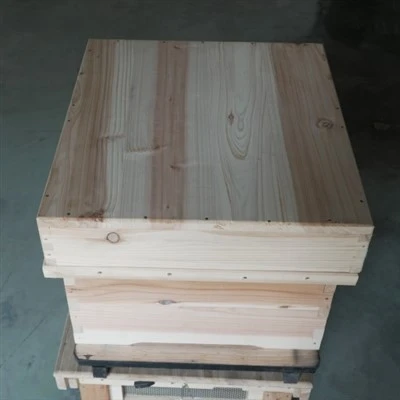
When it comes to painting a pine wood beehive, the choice of colors is not just a matter of aesthetics but also has significant implications for the well - being of the bees and the durability of the hive. As a supplier of Pine Wood Beehive, I've had the opportunity to learn about the science and art behind this process.
The Importance of Color in Beehives
Color plays a crucial role in a beehive's functionality. Bees have excellent color vision and are particularly sensitive to certain wavelengths of light. They can distinguish between different colors, which helps them in navigation and identifying their home. A well - colored beehive can make it easier for bees to find their way back to the hive, especially in a apiary with multiple hives.
Moreover, color can affect the temperature inside the beehive. Darker colors absorb more sunlight and heat, which can be beneficial in colder climates, as it helps to keep the hive warm. On the other hand, lighter colors reflect sunlight and heat, preventing the hive from overheating in hot weather.
Recommended Colors for Pine Wood Beehives
White
White is one of the most commonly recommended colors for painting beehives. It reflects a large amount of sunlight, keeping the interior of the hive cool during hot summer days. This is especially important in regions with high temperatures, as bees can become stressed if the hive gets too hot. White also provides a high contrast against the greenery of the surrounding environment, making it easier for bees to spot their hive.
From a practical perspective, white paint is readily available and relatively inexpensive. It also gives the beehive a clean and professional look, which is appealing to beekeepers. Our Assembled Bee Hive in pine wood often looks great in a white finish, and it is a popular choice among our customers.
Light Pastels
Light pastel colors such as light blue, light yellow, and light pink are also good options. These colors offer a balance between heat reflection and visibility. Bees can easily distinguish these soft colors, and they add a touch of charm to the apiary.
Light pastel colors are less likely to attract excessive heat compared to darker shades. They can create a pleasant and inviting environment for the bees. For example, a light blue beehive can blend well with the sky and the natural surroundings, while still being visible to the bees. Our 8 Frame Beehive painted in light pastels has received positive feedback from beekeepers who appreciate the aesthetic and functional benefits.
Earth Tones
Earth tones like brown, tan, and olive green are suitable for beehives, especially in natural settings. These colors blend in well with the environment, making the hive less obtrusive. They also have some heat - absorbing properties, which can be useful in cooler climates.
Brown, in particular, is a natural color that mimics the look of wood. It can enhance the rustic charm of a pine wood beehive. Olive green is a good choice for hives placed in areas with a lot of foliage, as it provides good camouflage. Our Weatherproof Bee Hive in pine wood can be painted in earth tones to enhance its durability and blend with the surroundings.
Colors to Avoid
There are certain colors that should be avoided when painting a beehive. Black and other very dark colors absorb too much heat, which can cause the interior of the hive to become uncomfortably hot for the bees. This can lead to stress, reduced honey production, and even the death of the colony in extreme cases.
Red is also not recommended. Bees have a limited ability to see red light, and a red beehive may be difficult for them to identify. This can cause confusion and make it harder for the bees to find their way home.
Considerations for Painting
When painting a pine wood beehive, it's important to use high - quality, non - toxic paint. Bees are very sensitive to chemicals, and any harmful substances in the paint can be detrimental to their health. Make sure the paint is labeled as safe for use around bees.
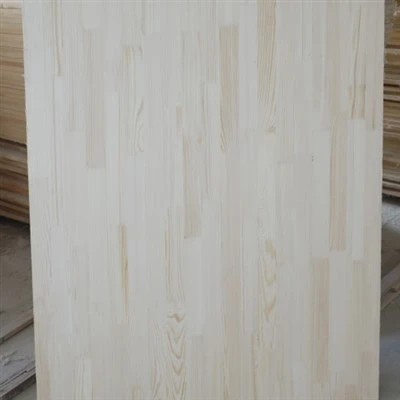
Before painting, the pine wood should be properly prepared. Sand the surface to remove any rough edges and ensure a smooth finish. This will help the paint adhere better and provide a more durable coating.
It's also a good idea to paint the beehive in sections. This allows the paint to dry thoroughly between coats and ensures an even application. Apply at least two coats of paint for better protection.
The Impact of Color on Hive Longevity
The right color can also contribute to the longevity of the pine wood beehive. By reflecting sunlight and reducing heat absorption, light - colored paints can prevent the wood from drying out and cracking. This helps to protect the structural integrity of the hive and extends its lifespan.
In addition, a well - painted beehive is more resistant to moisture and pests. The paint acts as a barrier, preventing water from seeping into the wood and causing rot. It can also deter insects and other pests from damaging the hive. Our Multi Layer Beehive benefits from proper painting, and we often recommend light - colored paints to our customers to ensure its long - term durability.
Conclusion
In conclusion, the choice of color for painting a pine wood beehive is an important decision that should be based on both the needs of the bees and the practical considerations of the beekeeper. White, light pastels, and earth tones are all good options, while black and red should be avoided. By using high - quality, non - toxic paint and proper painting techniques, you can create a beehive that is not only functional but also aesthetically pleasing.
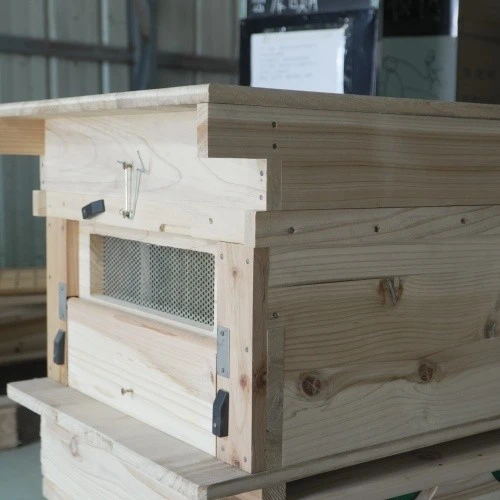

If you are interested in purchasing a pine wood beehive or have any questions about painting and maintaining it, please feel free to contact us for a detailed discussion and procurement negotiation. We are committed to providing you with the best products and services to meet your beekeeping needs.