What is the purpose of a beehive?
As a beehive supplier deeply entrenched in the apiculture industry, I've witnessed firsthand the profound significance of beehives in supporting the well - being of bees and the complex ecosystem they contribute to. A beehive serves multiple purposes that are crucial from both ecological and practical standpoints.
The Ecological Purpose
Bees are one of the most effective pollinators on our planet. When they leave the hive to forage for nectar and pollen, they inadvertently transfer pollen grains from the male part of a flower to the female part of another flower. This process, known as pollination, is essential for the reproduction of a vast number of plant species. Approximately 75% of the world's food crops depend, at least in part, on pollination by bees.
A beehive provides bees with a stable and secure home environment. Inside the hive, the bees construct honeycombs, which are made from beeswax secreted by the worker bees. These honeycombs serve as the nursery for developing bee larvae, storage units for honey and pollen, and living quarters for the entire colony. Worker bees maintain a relatively constant temperature and humidity inside the hive. In cold weather, they cluster together to generate heat, and in hot weather, they fan their wings to circulate air and cool the hive. This stable micro - environment is critical for the healthy development of bee broods, ensuring the survival and growth of the bee colony. A well - maintained beehive contributes to a stronger bee population, which in turn has a positive impact on plant biodiversity.
The Practical Purpose for Beekeepers
From a beekeeper's perspective, beehives are a means of extracting valuable products. One of the most well - known products is honey. Bees collect nectar from flowers, bring it back to the hive, and through a process of regurgitation and evaporation, transform it into honey. Honey is not only a delicious natural sweetener but also has antibacterial and antifungal properties. It has been used for centuries in traditional medicine and cuisine.
Beeswax is another valuable product obtained from beehives. Beekeepers can harvest the wax when the honeycombs are old or damaged. Beeswax is used in a variety of industries, including cosmetics, candle - making, and woodworking. It is a natural and renewable resource that offers a sustainable alternative to synthetic materials.
Propolis is a resinous substance that bees collect from tree buds and use to seal cracks and gaps in the hive. It has strong antibacterial, antiviral, and anti - inflammatory properties. Propolis is used in the production of health supplements, skincare products, and even in some dental applications.
Royal jelly, a secretion produced by worker bees, is fed to the queen bee throughout her life and to young larvae in the early stages of development. It is rich in vitamins, minerals, proteins, and fatty acids and is believed to have various health benefits. It is often used in the health and beauty industries.
Different Types of Beehives and Their Purposes
There are several types of beehives available in the market, each designed to meet different needs and preferences of beekeepers.
The Weatherproof Bee Hive is specifically engineered to withstand harsh weather conditions. It is made from materials that are resistant to moisture, rot, and extreme temperatures. This type of hive provides a long - lasting and reliable home for bees, protecting them from the elements and ensuring their survival in challenging environments.
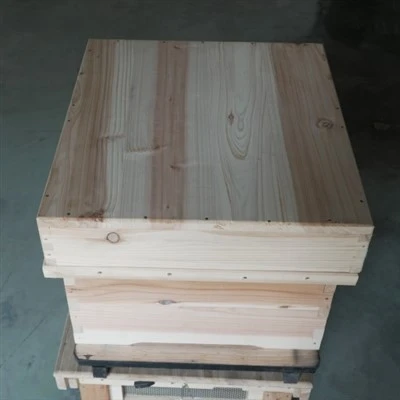
The Cedar Bee Hive is popular among beekeepers due to the natural properties of cedar wood. Cedar is resistant to insects and decay, and it has a pleasant aroma. The natural oils in cedar wood can also act as a deterrent to pests, helping to keep the hive clean and healthy.
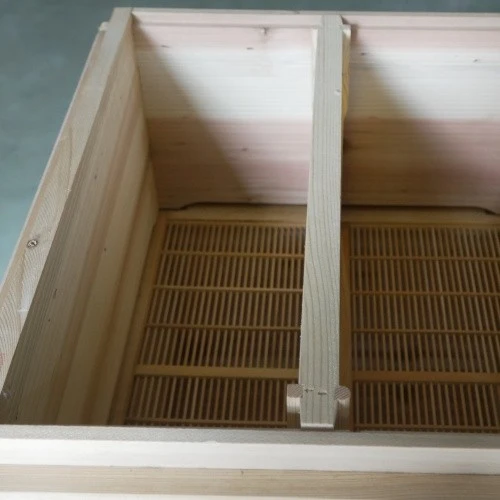
The Apiculture Bee Hive is designed with the principles of modern apiculture in mind. It often includes features such as removable frames, which make it easier for beekeepers to inspect the hive, harvest honey, and manage the bee colony. This type of hive is suitable for both beginner and experienced beekeepers who want to practice efficient and sustainable beekeeping.
The 10 Frame Beehive is a standard size hive that provides a good balance between space for the bee colony and ease of management. It allows for sufficient honey production while still being manageable for beekeepers to handle during inspections and honey harvesting.
The Assembled Bee Hive is a convenient option for those who do not have the time or skills to assemble a hive from scratch. It comes pre - assembled, allowing beekeepers to quickly set up a home for their bees and start their beekeeping journey.
The Role of Beehive Suppliers
As a beehive supplier, our role is not just to provide high - quality beehives but also to educate beekeepers about the proper use and maintenance of these hives. We offer guidance on hive selection based on factors such as climate, bee species, and the beekeeper's level of experience.
We understand that a well - designed and well - maintained beehive is the foundation of a successful beekeeping operation. That's why we invest in research and development to continuously improve the design and functionality of our beehives. We source the best materials and use advanced manufacturing techniques to ensure that our beehives are durable, safe, and comfortable for the bees.
Encouraging Contact for Procurement
Whether you are a novice beekeeper just starting out on your apiculture journey or an experienced professional looking to expand your bee colonies, we have the right beehive for you. Our commitment to quality and customer satisfaction means that you can trust us to provide the products and support you need.
If you are interested in learning more about our beehives, their features, and how they can benefit your beekeeping operation, we encourage you to reach out to us. We would be more than happy to have a detailed discussion with you, answer your questions, and provide you with a customized solution based on your specific requirements. Contact us today to start a productive conversation about your beekeeping needs.