As a supplier of wooden bee brushes, I often encounter a question from beekeepers: "Do wooden bee brushes damage bee wings?" This is a crucial concern, as the well - being of bees is of utmost importance to any beekeeper. In this blog, I aim to provide a comprehensive and scientific answer to this question based on my knowledge and experience in the industry.
The Structure and Vulnerability of Bee Wings
Before delving into whether wooden bee brushes cause damage, it's essential to understand the structure of bee wings. Bee wings are made up of a thin, membranous material supported by a network of veins. These veins provide strength and flexibility to the wings, allowing bees to fly with precision and efficiency. However, the thin membrane of the wings is quite delicate and can be easily torn or damaged by sharp objects or excessive force.
Bees rely on their wings for various vital activities, such as foraging for nectar and pollen, mating, and escaping from predators. Any damage to their wings can significantly impair their ability to perform these tasks, which in turn can affect the overall health and productivity of the colony.
The Characteristics of Wooden Bee Brushes
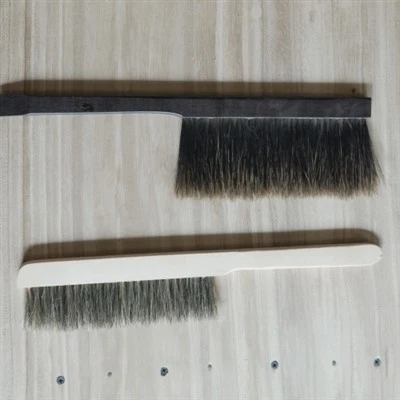
Wooden bee brushes are typically made from natural wood, which is a relatively soft and smooth material. The bristles of these brushes are often crafted to be fine and gentle, allowing beekeepers to handle bees with care. Unlike some metal or plastic tools, wood has a natural warmth and softness that can be less intimidating to bees.
When selecting a wooden bee brush, it's important to ensure that the bristles are evenly cut and free from splinters. A well - crafted wooden bee brush should have a uniform texture and a smooth finish, which reduces the risk of scratching or snagging the delicate wing membranes of the bees.
Factors Affecting the Potential for Wing Damage
There are several factors that determine whether a wooden bee brush will cause damage to bee wings:
- Brush Quality: As mentioned earlier, the quality of the wooden bee brush is crucial. High - quality brushes with well - crafted bristles are less likely to cause damage. A brush with uneven or rough bristles can easily snag a bee's wing, leading to tears or other injuries. When we manufacture our wooden bee brushes, we pay strict attention to detail, ensuring that each bristles is smooth and of the right thickness.
- Beekeeper Technique: The way a beekeeper uses the wooden bee brush also plays a significant role. Gentle and slow movements are key. If a beekeeper uses excessive force or makes sudden, jerky motions when using the brush, it increases the risk of wing damage. Beekeepers should be trained to use the brush in a way that carefully moves bees without causing them unnecessary stress or harm. For example, instead of swiping the brush across the bees, a gentle lifting or guiding motion is recommended.
- Bee Behavior and Sensitivity: Different species of bees may have varying levels of sensitivity and behavior patterns. Some bees may be more docile and less likely to react aggressively when brushed, while others may be more skittish. Additionally, the age and health of the bees can also influence their susceptibility to wing damage. Younger bees with more delicate wings may be more prone to injury.
Scientific Evidence and Studies
Although there is limited extensive scientific research specifically focused on whether wooden bee brushes damage bee wings, general knowledge about the interaction between tools and bees can provide valuable insights. In many well - managed beekeeping operations, wooden bee brushes have been used for generations without significant reports of widespread wing damage.
Some studies on bee handling in general suggest that as long as beekeeping tools are used properly, the risk of causing long - term harm to bees is relatively low. For example, research on the impact of different beekeeping equipment on bee stress levels has shown that gentle handling techniques can minimize negative effects on bee health.

Our Experience as a Supplier
Over the years, we have received feedback from numerous beekeepers who use our wooden bee brushes. The majority of them have reported that our brushes are gentle on the bees and do not cause any noticeable wing damage. Our brushes are designed with the well - being of the bees in mind, and we continuously improve our manufacturing process to ensure the highest quality.
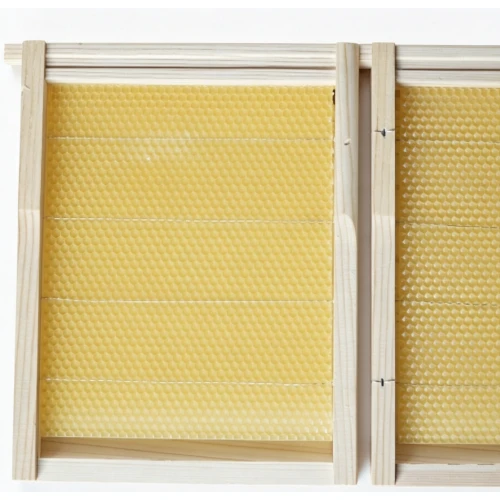
In addition to wooden bee brushes, we also offer a range of other beehive accessories, including Wooden Insulation Board, Wooden Partition Board, Wooden Honeycomb Foundation, Wooden Burlap Sack, and Wooden Feeder. These products are all made from high - quality wood and are designed to provide a safe and comfortable environment for the bees.
Conclusion
In conclusion, when used correctly and when high - quality wooden bee brushes are employed, the risk of damaging bee wings is minimal. The key lies in the quality of the brush and the beekeeper's technique. By choosing a well - crafted wooden bee brush and handling bees gently, beekeepers can effectively manage their colonies without causing unnecessary harm to the bees.
If you are a beekeeper looking for high - quality wooden bee brushes and other beehive accessories, we are here to assist you. We are committed to providing products that not only meet your needs but also ensure the well - being of your bees. Feel free to contact us to discuss your procurement needs and find the perfect solutions for your beekeeping operation.