Can Pine Melamine Board be bent?
As a prominent supplier of Pine Melamine Board in the industry, I've encountered numerous inquiries from customers regarding the bendability of this versatile material. Pine Melamine Board is well - known for its aesthetic appeal, durability, and cost - effectiveness. However, when it comes to the question of whether it can be bent, the answer isn't straightforward.
Understanding Pine Melamine Board
Pine Melamine Board is crafted by combining a pine wood core with a melamine resin overlay. The pine core provides a certain level of strength and natural warmth, while the melamine surface offers a smooth, scratch - resistant finish available in a wide range of colors and patterns. You can find out more about Pine Melamine Board on our website.
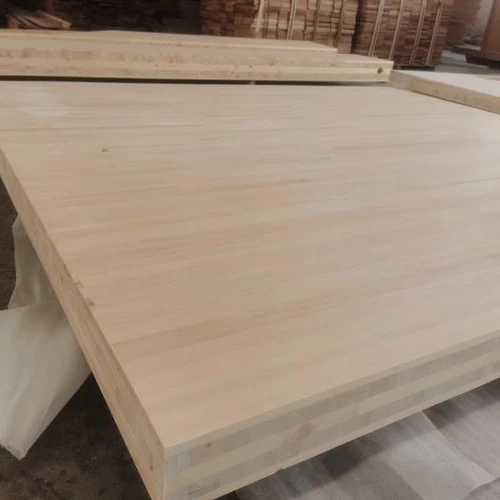
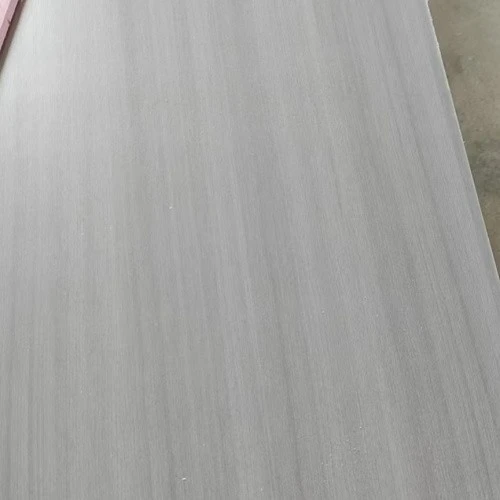
The structure of Pine Melamine Board is a crucial factor in determining its bendability. The pine wood core has a grain pattern, and the melamine layer adheres to it. The grain direction of the pine wood can significantly influence how the board responds to bending forces. Generally, wood has better flexibility along the grain compared to across it.
Factors Affecting Bendability
- Thickness of the Board
The thickness of the Pine Melamine Board plays a vital role in its bendability. Thinner boards, such as 15mm Melamine Board, are more likely to be bent than thicker ones. A 15mm board has less material to resist the bending forces, allowing it to conform to a curve more easily. Thicker boards, on the other hand, have a greater mass and internal structure that resists deformation, making bending extremely difficult without causing damage to the board. - Moisture Content
The moisture content of the pine wood core is another important factor. Wood is hygroscopic, meaning it absorbs and releases moisture depending on the surrounding environment. A board with a higher moisture content is more flexible because the water molecules act as a lubricant between the wood fibers. When the wood is too dry, the fibers are more brittle and less likely to bend without cracking. However, excessive moisture can also cause problems such as warping and delamination of the melamine layer. - Techniques Used for Bending
There are several techniques that can be employed to attempt to bend Pine Melamine Board. One common method is steam bending. By exposing the board to steam, the wood fibers are softened, making it easier to bend. Another method is kerfing, which involves making a series of parallel cuts on the back of the board. These cuts reduce the resistance of the board to bending. However, both methods need to be carried out with extreme care to avoid damaging the melamine surface.
Feasibility of Bending
In general, Pine Melamine Board can be bent to a certain degree, but it has limitations. For gentle curves with a large radius, it may be possible to bend a thinner board using appropriate techniques. For example, in some furniture applications where a slight curve is required, a 15mm Pine Melamine Board can be bent with the help of steam or kerfing.
However, for sharp curves or complex shapes, Pine Melamine Board is not the ideal choice. The melamine layer may crack, and the pine core may split under the stress of tight bending. In such cases, other materials like Tung Wood Melamine Board, which may have different physical properties and greater flexibility, could be considered.
Practical Applications
Although the bendability of Pine Melamine Board is restricted, it still finds many practical uses. In straight - edged furniture such as cabinets, desks, and shelves, its durability and aesthetic qualities make it a top - choice material. In some cases where only a small amount of bending is required, such as in the design of a slightly curved tabletop or a cabinet edge, the board can be bent within its limits.
Tips for Handling Pine Melamine Board
- Storage
Store Pine Melamine Board in a dry, well - ventilated area to maintain a stable moisture content. If the board is exposed to high humidity for an extended period, it may absorb moisture and lead to warping. - Transportation
When transporting the boards, ensure they are properly secured to prevent any impact or pressure that could cause damage. - Cutting and Assembly
Use sharp tools for cutting to ensure a clean edge. During assembly, follow the appropriate guidelines to avoid stressing the board beyond its capacity.
Making the Right Decision for Your Project
If your project requires significant bending, it's important to carefully evaluate whether Pine Melamine Board is the right material. Consider the curvature requirements, the thickness of the board, and the overall design of your project. If gentle curves are all that's needed, and you follow the proper bending techniques, Pine Melamine Board can still be a viable option. However, for more complex bending needs, it may be advisable to explore alternative materials.
Contact Us for Your Pine Melamine Board Needs
If you're interested in purchasing Pine Melamine Board for your projects, we're here to assist you. Our team of experts can provide detailed information on the properties of the board, help you choose the right thickness, and offer advice on any applicable bending techniques. We understand that each project is unique, and we're committed to finding the best solutions for your specific requirements.
Reach out to us to start a conversation about how our Pine Melamine Board can fit seamlessly into your project. Whether you're a DIY enthusiast or a professional furniture maker, we're confident that we can meet your needs with high - quality products and excellent customer service.