As a supplier of wooden feeders, I understand the importance of ensuring these products remain in good condition, especially during the harsh winter months when snow can pose a significant threat. Snow not only adds extra weight but also brings moisture that can lead to warping, rotting, and overall damage to wooden structures. In this blog, I will share some effective ways to protect a wooden feeder from snow.

Choose the Right Location
The first step in protecting your wooden feeder from snow is selecting an appropriate location. A sheltered spot can make a huge difference. Place the feeder under the eaves of a building, such as a shed or a barn. The overhang will prevent a large amount of snow from directly accumulating on the feeder. If an overhang is not available, consider using a freestanding canopy. This can be a simple structure made of metal or wood with a waterproof tarp stretched over it. The canopy should be large enough to fully cover the feeder and provide ample clearance on all sides to prevent snow from drifting in.
Another important aspect of location is the ground. Ensure the feeder is placed on a raised platform or a base. This can be made of concrete, bricks, or treated lumber. A raised base keeps the feeder off the ground, reducing the risk of snow and ice melting and seeping into the wood from the bottom. It also helps with drainage, as any water that does collect around the feeder can flow away more easily.
Use Protective Covers
Investing in a high - quality protective cover is one of the most straightforward ways to shield your wooden feeder from snow. There are various types of covers available in the market. A custom - made cover is ideal as it will fit the exact dimensions of your feeder, providing a snug and secure fit. These covers can be made from heavy - duty waterproof materials such as vinyl or polyester.
If a custom - made cover is not an option, you can also use a generic tarpaulin. Make sure to secure the tarpaulin tightly around the feeder using bungee cords or ropes. Ensure that the cover extends all the way to the ground to prevent snow from blowing in from the sides. Additionally, you can add a layer of insulation, such as Wooden Burlap Sack, under the cover. Burlap is a natural material that can help to retain some heat and protect the wood from extreme cold.
Apply a Protective Finish
A good protective finish can significantly enhance the durability of your wooden feeder against snow and moisture. There are several types of finishes to choose from.
Paint: A high - quality exterior paint can provide a solid barrier against snow and water. Choose a paint that is specifically formulated for outdoor use and is resistant to cracking and peeling. Before painting, make sure to clean the feeder thoroughly and sand it to create a smooth surface. Apply at least two coats of paint, allowing each coat to dry completely before applying the next one.
Stain: Stains not only protect the wood but also enhance its natural beauty. Transparent or semi - transparent stains are a popular choice as they allow the wood grain to show through. There are also water - resistant stains available that can provide excellent protection against snow and moisture. Similar to painting, the feeder should be cleaned and sanded before applying the stain.
Sealer: A wood sealer can penetrate deep into the wood fibers, providing long - lasting protection. It fills in the pores of the wood, preventing water from seeping in. There are different types of sealers, such as oil - based and water - based. Oil - based sealers tend to provide better protection, but they may take longer to dry.
Regular Checks and Maintenance
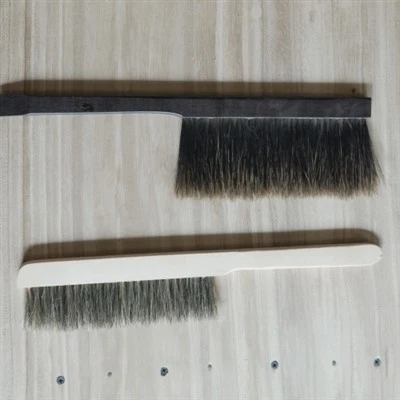
During the winter, it is essential to regularly check the wooden feeder for any signs of damage or snow accumulation. If you notice a large amount of snow on the feeder, gently remove it using a soft - bristle broom or a Wooden Bee Brush. This will prevent the weight of the snow from causing the feeder to collapse or warp.
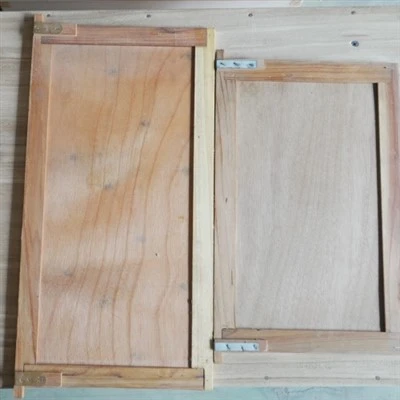
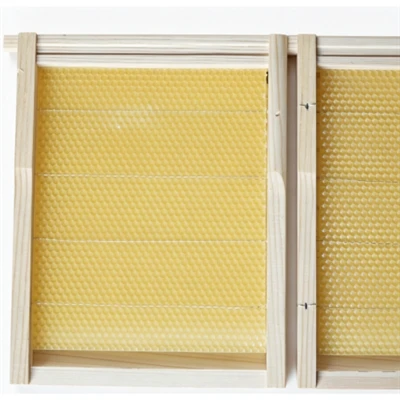
Inspect the feeder for any signs of water damage, such as swelling or discoloration. If you find any damaged areas, repair them promptly. Small cracks can be filled with wood filler, while more significant damage may require replacing the affected parts. You can use Wooden Honeycomb Foundation or Wooden Partition Board to replace damaged sections, ensuring the feeder remains structurally sound.
Consider Structural Reinforcement
If your wooden feeder is in an area that experiences heavy snowfall, you may want to consider reinforcing its structure. This can involve adding additional support beams or braces. For example, you can attach diagonal braces to the corners of the feeder to increase its stability and prevent it from collapsing under the weight of the snow.
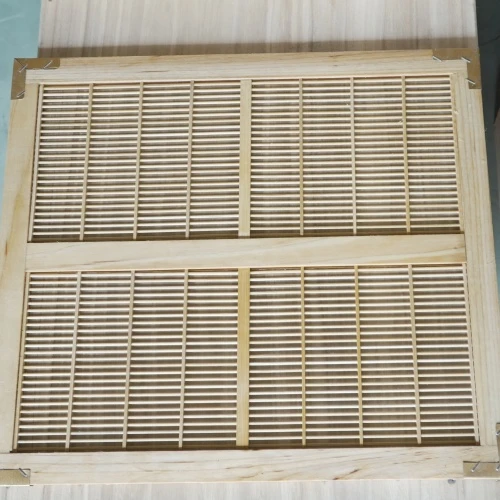
You can also use a Wooden Queen Excluder in a creative way to reinforce the feeder. Cut it into appropriate sizes and attach it to the sides or the bottom of the feeder to add extra strength and protection.
Conclusion
Protecting a wooden feeder from snow requires a combination of proper location, the use of protective covers, applying a suitable finish, regular maintenance, and, in some cases, structural reinforcement. By following these steps, you can ensure that your wooden feeder remains in excellent condition throughout the winter and continues to serve its purpose effectively.
If you are interested in purchasing high - quality wooden feeders or any of the related products mentioned in this blog, such as Wooden Bee Brush, Wooden Honeycomb Foundation, Wooden Partition Board, Wooden Queen Excluder, and Wooden Burlap Sack, please feel free to contact us for more information and to discuss your procurement needs.