Melamine boards are widely used in various construction and furniture applications due to their affordability, durability, and aesthetic appeal. However, one significant drawback of melamine boards is their relatively low fire - resistance. As a melamine board supplier, it is crucial for us to explore ways to improve the fire - resistance of our products to meet the safety requirements of our customers. In this blog, I will discuss several effective methods to enhance the fire - resistance of melamine boards.
Understanding Fire - Resistance Mechanisms
Before delving into the improvement methods, it is essential to understand the basic mechanisms of fire - resistance. When a material is exposed to fire, three main factors come into play: ignition, flame spread, and heat release. A fire - resistant material should resist ignition, slow down the flame spread, and reduce the heat release rate.
Incorporating Fire - Retardant Additives
One of the most common ways to improve the fire - resistance of melamine boards is by incorporating fire - retardant additives during the manufacturing process. These additives work by several mechanisms, such as releasing non - flammable gases to dilute the oxygen around the fire, forming a protective char layer on the surface of the board, or interfering with the chemical reactions that occur during combustion.
There are different types of fire - retardant additives available, including halogen - based, phosphorus - based, and nitrogen - based additives. Halogen - based additives, such as bromine and chlorine compounds, are effective in suppressing flames. However, they have some environmental concerns due to the release of toxic gases during combustion. Phosphorus - based additives are more environmentally friendly and work by promoting the formation of a char layer on the surface of the board. Nitrogen - based additives can also enhance fire - resistance by releasing nitrogen gas, which dilutes the oxygen in the combustion zone.
When selecting fire - retardant additives, it is important to consider their compatibility with the melamine resin and the overall properties of the board. The additives should not significantly affect the mechanical strength, appearance, or other performance characteristics of the melamine board.
Surface Treatment
Another approach to improving fire - resistance is through surface treatment. Applying a fire - resistant coating on the surface of the melamine board can create a barrier between the board and the fire. Fire - resistant coatings are usually made of materials such as intumescent paints.
Intumescent coatings work by swelling when exposed to heat, forming a thick, insulating char layer on the surface of the board. This char layer acts as a barrier, reducing the heat transfer to the underlying board and slowing down the combustion process. The thickness and quality of the coating can significantly affect its fire - resistance performance.
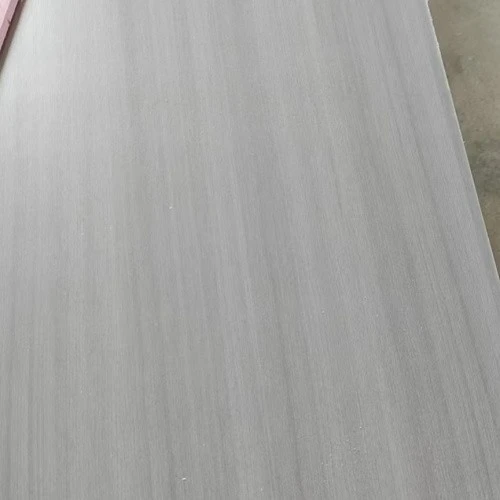

Surface treatment can also involve laminating the melamine board with a fire - resistant film. These films are designed to have high thermal stability and can provide an additional layer of protection against fire.
Core Material Modification
The core material of the melamine board plays a crucial role in its fire - resistance. Using a fire - resistant core material can significantly improve the overall fire - performance of the board. For example, some manufacturers use wood fibers or particles that have been pre - treated with fire - retardant chemicals as the core material.
One option is to use wood species that are naturally more fire - resistant. Tung Wood Melamine Board is an example. Tung wood has certain properties that make it less likely to ignite and burn compared to some other wood species. Similarly, Pine Melamine Board can also be treated to enhance its fire - resistance. The thickness of the board also matters; for instance, 15mm Melamine Board may have different fire - resistance characteristics compared to thinner boards, and the core material in a 15mm board can be better optimized for fire - resistance.
Obtaining relevant fire - resistance certifications can significantly enhance the marketability of the melamine boards. Customers are more likely to choose products that have been tested and certified by recognized organizations.
Quality Control in Manufacturing
Maintaining strict quality control during the manufacturing process is crucial for ensuring consistent fire - resistance performance. This includes accurate measurement and mixing of the fire - retardant additives, proper application of surface treatments, and precise control of the core material properties.
Regular inspections and testing at different stages of the manufacturing process can help identify and correct any issues that may affect the fire - resistance of the melamine boards.
Conclusion
Improving the fire - resistance of melamine boards is a multi - faceted process that involves incorporating fire - retardant additives, surface treatment, core material modification, testing, and quality control. As a melamine board supplier, we are committed to providing high - quality fire - resistant melamine boards to our customers.
If you are interested in our fire - resistant melamine boards or have any questions about the products, please feel free to contact us for further discussion and potential procurement opportunities. We look forward to working with you to meet your fire - safety and construction material needs.